 blog
blog
Alternatives to Keeping a Boat in the Driveway
Table of Contents
- Why Driveway Storage Falls Short
- Boat Storage Options: What's Available
- Boat Storage Costs: What You'll Actually Pay
- Security, Weather Protection, and Access Logistics
- Local Rules, HOA Restrictions, and Insurance Impact
- How to Choose the Right Storage Solution for Your Boat
- Frequently Asked Questions
Last Updated: October 7, 2026
Why Driveway Storage Falls Short
Keeping your boat in the driveway seems convenient. It's right there. No monthly fees. No drive to retrieve it.
But it creates real problems: weather exposure, UV damage, theft, HOA violations, climbing insurance premiums, and complaints, plus the tight maneuvering space that probably convinced you to find alternatives to keeping a boat in the driveway in the first place.
Boat Storage Options: What's Available
The right solution depends on boat size, budget, and access frequency. Here are the realistic alternatives to keeping a boat in the driveway.
Outdoor Storage on a Trailer
Outdoor storage keeps your boat on a trailer in an open lot: park, cover it, and return when you're ready to launch.
What to expect:
- Boat stays on its trailer year-round
- Exposed to sun, rain, and seasonal weather
- Costs less than covered options
Pros:
- Lower monthly fees than indoor storage
- Easy loading for launch day
- No height or length restrictions
Cons:
- Full weather exposure accelerates wear
- UV damage to gel coat and upholstery
- Requires a quality cover and regular maintenance
Indoor and Covered Storage
Indoor storage protects your boat inside a climate-controlled or semi-enclosed building; covered storage sits under a roof but stays open on the sides.
Indoor storage keeps moisture and temperature stable, so paint and upholstery last longer. It costs more but protects valuable boats.
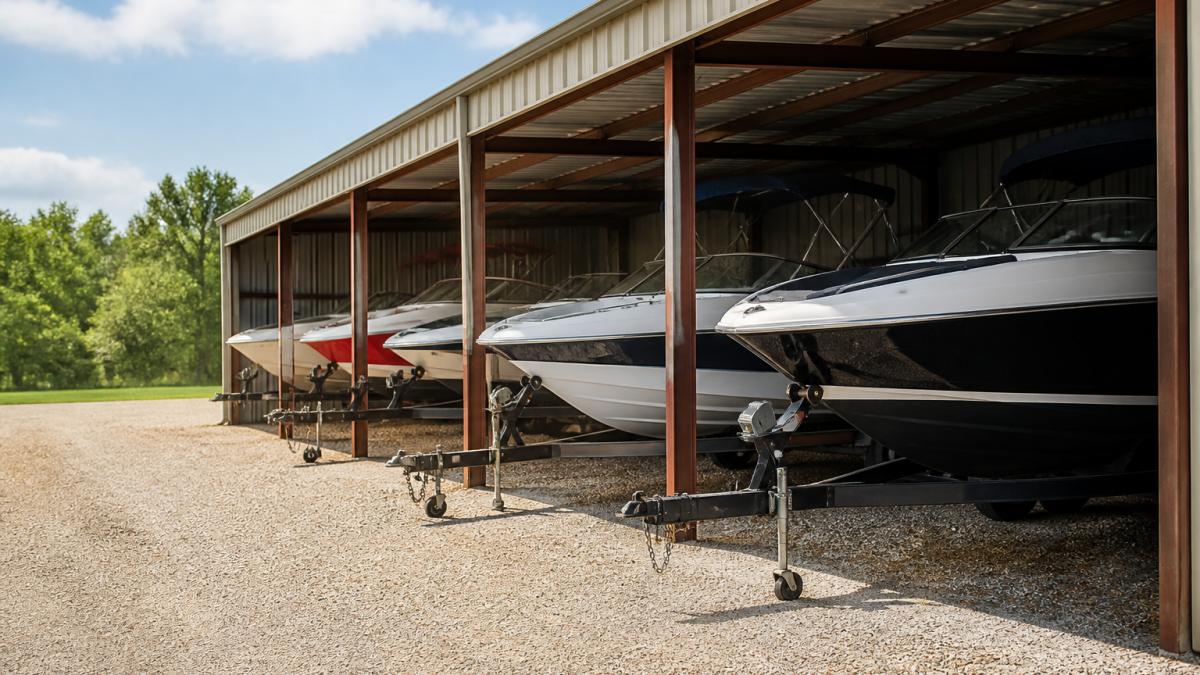
Covered storage splits the difference. A roof blocks rain and sun. Open sides allow airflow. Moisture control is better than outdoor storage but less reliable than fully enclosed space.
Pros of indoor/covered storage:
- Maximum weather protection and reduced UV fading
- Better security in enclosed facilities
- Climate control prevents mold and mildew
Cons:
- Higher monthly costs than outdoor options
- Height or length restrictions in some facilities
- Less convenient access; may require appointment scheduling
Marina and Dry-Stack Storage
Marinas offer wet slips (boat in water) or dry-stack storage (boat stored on racks, lifted by mechanical systems).
Wet slips keep your boat in the water, ready to launch instantly. You pay for the slip and mooring. Convenient for frequent boaters.
Dry-stack storage stacks boats vertically in a warehouse; a crane retrieves yours when you call ahead, typically 30-45 minutes after notification.
Pros:
- Instant launch access (wet slips)
- Professional management and security
- On-site fuel and services often available
Cons:
- Wet slips cost significantly more monthly
- Dry-stack requires advance notice for retrieval
- Environmental concerns with wet storage
Self-Storage Facilities
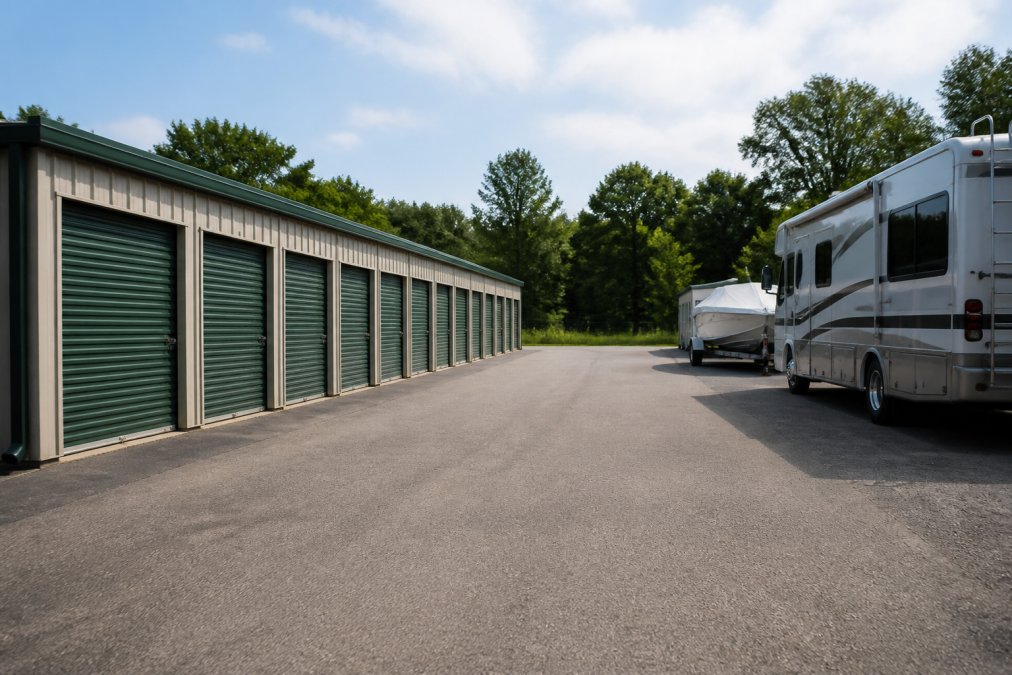
General self-storage units can work for boats if the unit is large enough and the facility allows RVs.
Key considerations:
- Unit must accommodate your boat's length and height
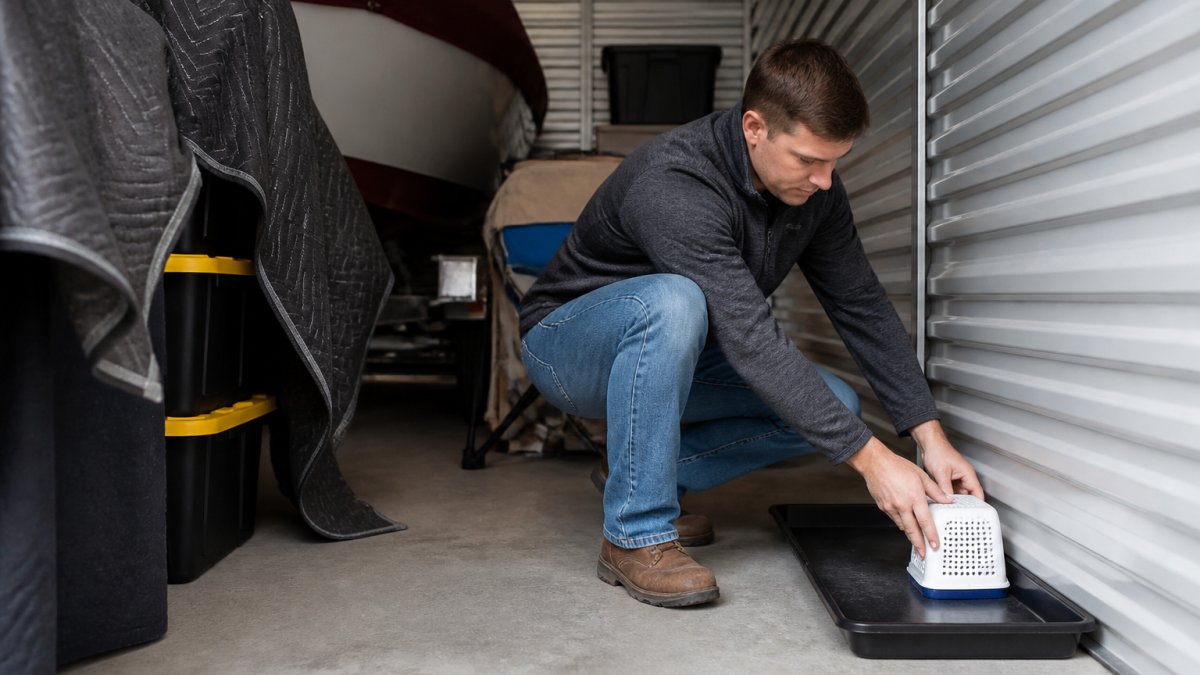
- Climate control is optional but recommended
- 24/7 access varies by facility; monthly costs depend on size and location
Pros:
- Flexible month-to-month terms
- 24/7 access at many locations
- Climate control available
- Extra space for gear and equipment
Cons:
- Units must be large enough (expensive for bigger boats)
- Not all facilities allow boats or RVs
- No easy launch preparation; moving the boat in and out is time-consuming
- Insurance may not cover boats in general storage
Boat Storage Costs: What You'll Actually Pay
Storage pricing depends on boat size, region, season, and service level. There's no single national rate, but the cost structure is consistent enough to estimate a total annual cost of ownership for each alternative before you call anyone.
The five cost drivers
- Length overall (LOA) and beam. Facilities price by the footprint your boat and trailer occupy, not weight. A 16-foot aluminum boat and a 24-foot bowrider on a tandem-axle trailer can differ by hundreds of dollars a month indoors.
- Enclosure type. Open lot, covered (roof only), enclosed unheated, and climate-controlled are four price tiers; each step up adds protection and cost.
- Access model. 24/7 self-service, business-hours only, and valet/retrieval-on-request are priced differently; valet and dry-stack add labor to every launch.
- Region and season. Coastal and high-demand metro markets run higher than inland ones. Northern facilities often charge separate winter and in-season rates, and some require a minimum term.
- Add-ons. Winterization, shrink wrap, battery removal, bottom wash, and in-and-out launch service are usually billed separately.
How to estimate each option
Rather than quote market-specific rates, use this framework with local quotes:
- Outdoor lot on your trailer: lowest base rate, plus a fitted cover and your time and fuel for every launch; cover replacement recurs.
- Covered (roof-only) storage: typically a step above open lot. You still own the cover and still deal with blowing rain and sun on the sides.
- Enclosed, unheated: a larger step up, with lockable, out-of-sight storage; you may still want a cover for dust and moisture.
- Climate-controlled indoor: the top indoor tier, justified mainly for boats with significant upholstery, electronics, or wood you plan to keep for years.
The costs people forget
- Transport. If the facility isn't where you launch, you pay fuel and tow-vehicle wear every trip. A cheaper lot 40 minutes farther away can cost more per season than a pricier one near the ramp.
- Launch and retrieval fees. Some dry-stack and valet facilities charge per launch, per retrieval, or per in-and-out. Ask whether it is included or metered.
- Winterization and de-winterization. Often billed as two separate services, and often required if the facility stores your boat indoors over winter.
- Insurance delta. Off-site storage can change your premium in either direction. Get a quote for each option before you assume.
For current pricing, contact providers directly and ask for the all-in seasonal figure, not the monthly headline rate. Out of Site Storage offers flexible options tailored to your boat size and storage needs; visit their website or call for a quote.
Security, Weather Protection, and Access Logistics
Boat theft is real. Damage from weather costs thousands. Access logistics matter when you want to use your boat.
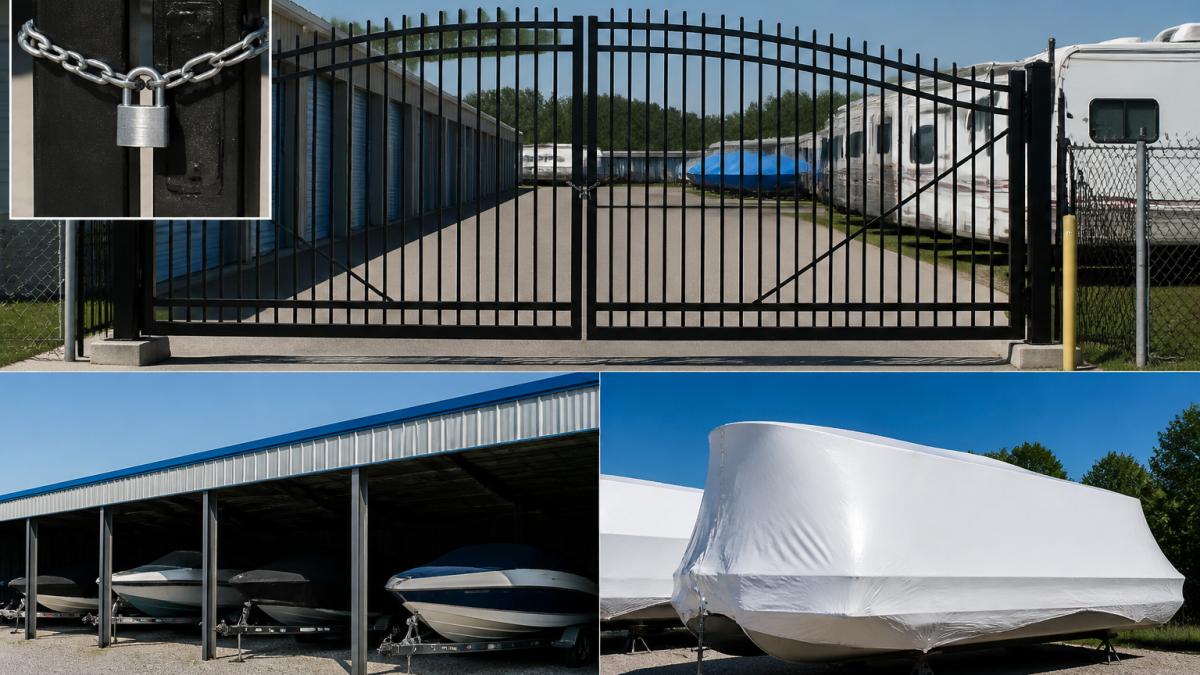
Security varies by facility type. Outdoor lots need cameras, locked gates, and lighting; indoor facilities offer more control, fewer entry points, climate management, and staff oversight.
Weather protection determines how often you'll need maintenance. Outdoor storage means regular cover checks, trailer inspection, and UV damage repair.
Access logistics affect launch day.
Local Rules, HOA Restrictions, and Insurance Impact
This is the part most boat owners skip, and it most often forces a change of plan after the fact. Before choosing an outdoor lot, covered unit, or marina, confirm three things: what your HOA allows, what your municipality allows, and what your insurer will actually cover.
HOA and deed restrictions
If you live in a community with a homeowners association, the governing documents, declarations, covenants, conditions, and restrictions (CC&Rs), plus the architectural rules, control what you can park and where. Common patterns include:
- Boats, RVs, and trailers prohibited in the driveway except during active loading or unloading, often with a short time limit.
- Boats allowed only if fully enclosed in a garage or behind a fence that meets a height and opacity standard.
- Boats prohibited in front of the front building line, which effectively bans driveway and side-yard storage.
- A separate rule for trailers, which can be banned even when the boat is not.
Enforcement usually runs through a violation notice, then fines, then a lien or legal action. Read the CC&Rs and current architectural guidelines, then get written approval from the architectural review committee before you buy a cover or lift, verbal approval from a board member isn't durable, since boards change.
Municipal zoning and ordinances
Cities and counties regulate boat storage through zoning codes and sometimes separate nuisance or parking ordinances (Regulating Storage of Major Recreational Equipment). What varies most:
- Where storage is permitted. Some jurisdictions allow boat storage in residential zones with conditions; others restrict it to specific districts or require a conditional use permit.
- Setbacks and screening. Even where storage is allowed, the boat may have to sit behind the front setback line or be screened from view.
- Duration limits. Some ordinances allow short-term on-site storage for cleaning or trip preparation but prohibit long-term parking.
- Street and right-of-way rules. Parking a boat and trailer on a public street is frequently restricted by time, by permit, or outright.
Your local planning or code enforcement office can tell you which rules apply to your address. Ask specifically about boat and trailer storage, not just "recreational vehicles," because the definitions are often separate.
Insurance considerations
Homeowners and renters policies typically treat boats as a separate exposure. Common patterns:
- Small boats, low horsepower. Some homeowners policies extend limited liability or property coverage to small boats below a horsepower or length threshold (Boat insurance and safety). Read the endorsement, not the summary.
- Larger boats. Usually excluded from the homeowners policy and need a dedicated boat policy (often called a watercraft or boatowners policy).
- Storage location matters. Insurers ask where the boat is kept because theft, storm, and fire risk differ by location. A locked, gated, monitored facility is a different risk than an open lot or a driveway.
- Lay-up periods. Many boat policies define a lay-up period when the boat is expected to be out of the water and not in use. Storing the boat where the policy expects it avoids coverage disputes.
A short call to your agent with the specific address and storage type is the fastest way to a real answer. Ask two questions: is the boat covered at this location, and does the storage type change my premium?
What to document before you commit
- Written HOA approval, if applicable.
- The zoning classification for your address and the storage rule that applies.
- A storage agreement that states access hours, notice requirements for retrieval, and who is responsible for damage.
- An insurance confirmation that names the storage location and confirms coverage while stored.
Getting these four items before you sign a storage contract prevents the most common and most expensive surprises.
How to Choose the Right Storage Solution for Your Boat
Start by answering these questions:
How often do you use your boat? Frequent boaters benefit from wet slips or outdoor storage with quick access. Seasonal users can tolerate longer retrieval times.
What's your boat size? Small boats fit in self-storage units.
What's your budget? Outdoor storage is cheapest. Covered storage costs more.
Do you have towing capacity? Larger boats need appropriate towing vehicles.
What does your schedule allow? Outdoor and covered storage offer flexible access.
Compare these factors against your priorities, most owners find one or two options stand out immediately.
Keeping a boat in your driveway creates headaches: HOA violations, weather damage, theft risk, and insurance complications. Out of Site Storage specializes in secure boat storage with 24/7 access, multiple locations, and flexible online payment options.
Frequently Asked Questions
Is it illegal to have a boat in your driveway?
Legality depends on local zoning laws and HOA restrictions. Many municipalities prohibit boat storage in residential driveways or limit how long you can park one there. Check your local ordinances and HOA covenants before storing a boat at home. Violations can result in fines or forced removal. Boat storage alternatives give you a compliant option that keeps your property clear.
Where can I store my boat if I can't keep it at home?
Popular boat storage alternatives include outdoor trailer parking at self-storage facilities, indoor climate-controlled units, marina wet storage, dry-stack storage facilities, and covered carports. Each option offers different levels of weather protection, security, and access. Your choice depends on boat size, budget, how often you use the boat, and your local climate. Many facilities offer 24/7 access so you can retrieve your boat whenever you need it.
Is indoor or outdoor boat storage better?
Indoor boat storage provides superior weather protection, reducing UV damage, corrosion, and moisture problems. Outdoor storage costs less but exposes your boat to rain, sun, and temperature swings. Indoor storage is ideal for long-term or seasonal storage; outdoor works for short-term parking or if you use your boat frequently. Consider your climate, boat value, and how long you'll store it to decide which outdoor boat storage or indoor boat storage option fits your needs best.
How much does it cost to store a boat?
Boat storage costs vary widely based on location, boat size, storage type, and facility amenities. Outdoor trailer parking typically costs less than indoor climate-controlled units. Marina wet storage and dry-stack facilities charge monthly fees that reflect their premium access and launch convenience. Self-storage facilities often offer 24/7 access. Contact local providers for current pricing and ask about seasonal discounts or multi-month packages.