 comparison
Short-Term Storage Cost for Household Goods: 2026 Review
Table of Contents
- What Determines Short-Term Storage Cost for Household Goods
- Storage Unit Prices by Size: Small, Medium, and Large Options
- Average Monthly Storage Unit Cost: What You'll Actually Pay
- Storage Unit Rental Fees Beyond the Monthly Rate
- Short-Term Storage for Furniture: Cost and Protection
- Security, Climate Control, and Facility Quality Matter
- How to Find Affordable Short-Term Storage Near You
- Frequently Asked Questions
Last Updated: October 9, 2026
What Determines Short-Term Storage Cost for Household Goods
The short-term storage cost for household goods depends on unit size, rental length, contents, and facility.
The most common mistake is assuming the advertised monthly rate is all you'll pay. Setup fees, access costs, climate control premiums, and insurance add up, so get a complete cost breakdown before committing.
Location matters more than most people realize. High-demand areas and features like climate control, security, cleanliness, and 24/7 access cost more but offer better protection.
Storage Unit Prices by Size: Small, Medium, and Large Options
Storage unit size is the primary driver of monthly cost.
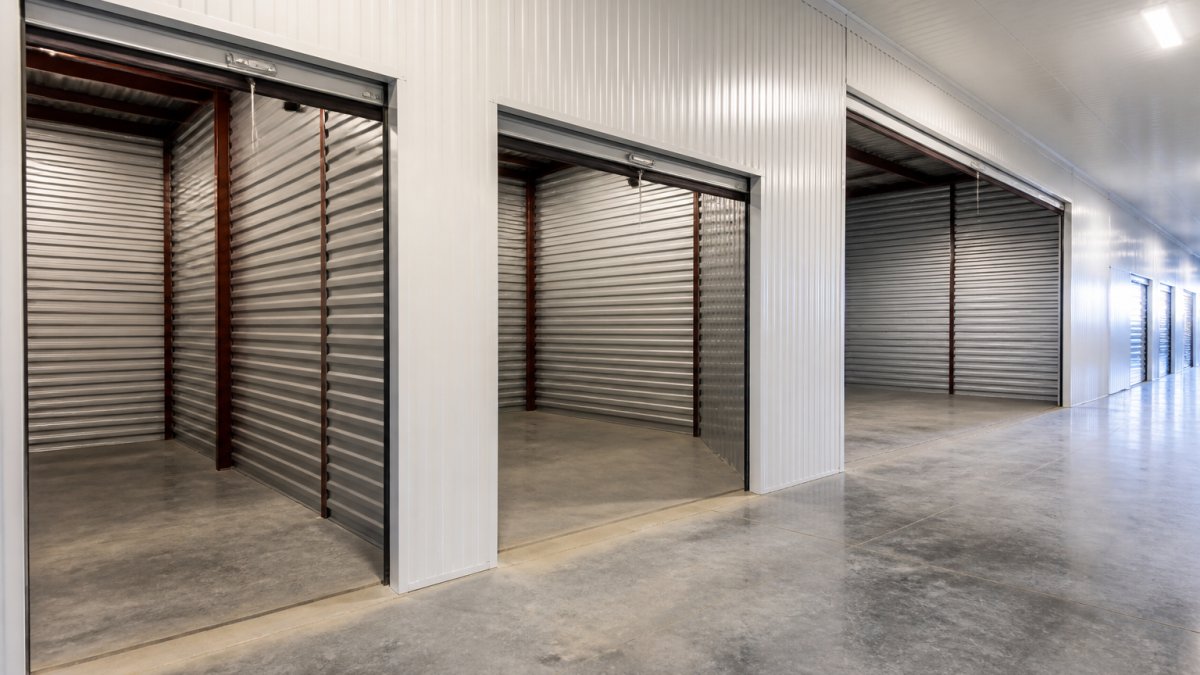
Small units hold seasonal items, documents, or a few boxes, roughly a closet's contents, and are the most affordable option.
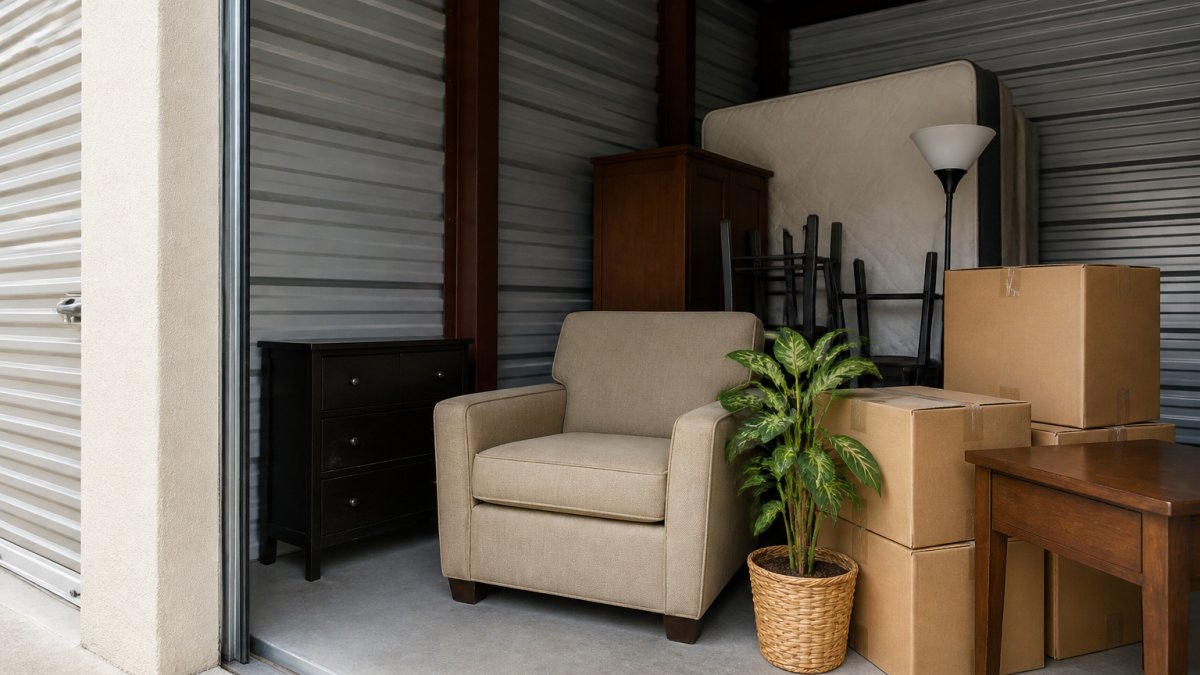
Medium units fit a one-bedroom apartment's contents, sofa, bed, dresser, and boxes, and are the most popular choice for their balance of space and cost.
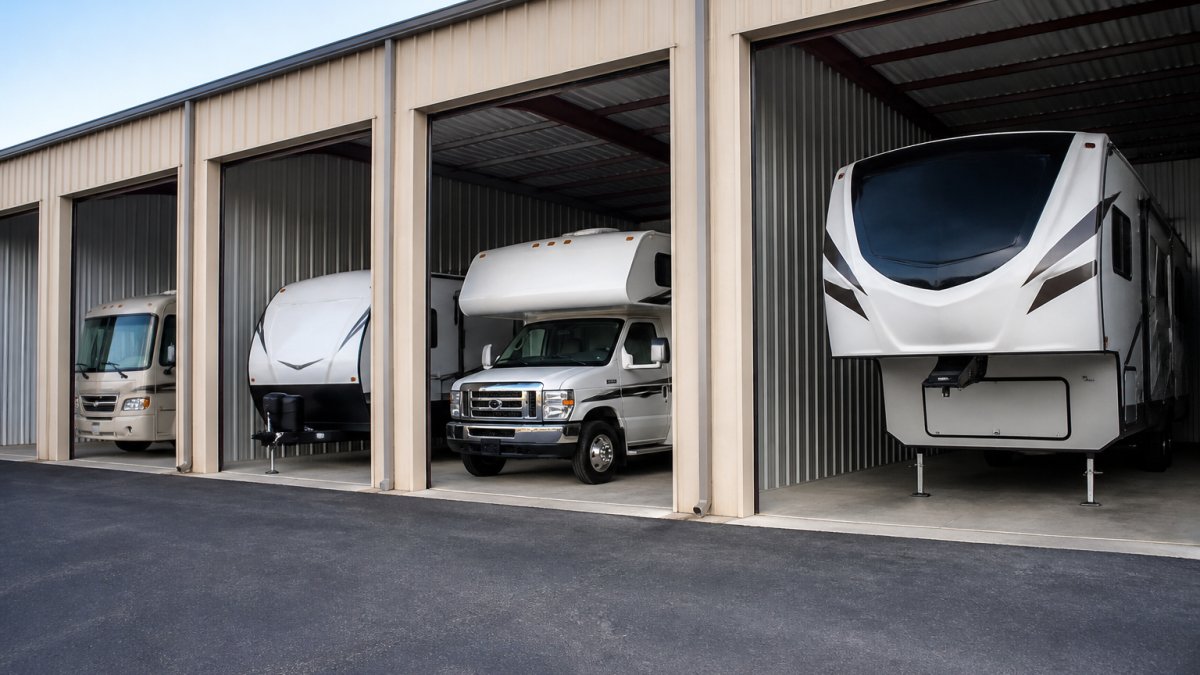
Large units store a two-bedroom home or more, including appliances and boxes. Storing a vehicle alongside household goods requires a large unit, higher cost, more space.
Average Monthly Storage Unit Cost: What You'll Actually Pay
Advertised monthly rates are a starting point, not a final number. What matters is your all-in cost for the exact weeks or months you need.
Short-term pricing by duration
The shorter the rental, the higher the effective monthly rate. Facilities price month-to-month at a premium and discount longer commitments. For a medium unit (roughly 10x10 feet):
- A few weeks (under one month): Most facilities charge a full month, and some add a short-term surcharge. Expect the full monthly rate even for 10 to 14 days.
- One to three months: The standard month-to-month range at the posted rate, no long-term contract, common for renovations and temporary moves.
- Three to six months: Many facilities offer 5 to 15 percent off the posted rate for a longer commitment. Ask specifically; it's rarely advertised.
Short-term pricing by household size
Unit size drives the base rate more than any other factor. The table below maps typical sizes to households and cost tiers:
| Unit size | Approx. dimensions | Fits | Relative monthly cost |
|---|---|---|---|
| Small | 5x5 ft | A closet, dorm room, or a few dozen boxes | Lowest |
| Small-medium | 5x10 ft | A studio or one-bedroom's worth of boxes and a mattress | Low |
| Medium | 10x10 ft | A one-bedroom apartment, including a sofa and bed | Mid |
| Medium-large | 10x15 ft | A two-bedroom apartment or a one-bedroom home | Mid-high |
| Large | 10x20 ft | A two- to three-bedroom home, or a vehicle plus goods | Highest |
Like-for-like comparison: the three short-term storage types
Here's a side-by-side comparison of the three options:
Self-storage (traditional facility)
- You drive your goods to the facility, load them into a unit, and lock it yourself.
- You pay: monthly rent, a deposit (often one month's rent), a lock, optional insurance, and any access-card or admin fees.
- You provide: labor, vehicle, packing materials, and time.
- Best when: you have a truck and need frequent access.
Portable containers (delivered to your driveway)
- A container is dropped at your home, you load it at your own pace, and the company stores or moves it.
- You pay: delivery and pickup fees, monthly storage rent, and often a separate charge if moved to a second address.
- You provide: labor to load and unload, plus packing materials.
- Best when: you're moving or renovating and want to load on your own schedule.
Full-service storage (pickup-and-delivery)
- The company sends a crew, packs and loads your items, stores them, and delivers them back on request.
- You pay: a pickup fee, a monthly storage fee based on volume (not unit size), and a redelivery fee. Item retrieval often carries a per-visit charge.
- You provide: nothing beyond scheduling.
- Best when: you have no vehicle, no help, or high-value items.
The trade-off: self-storage is cheapest in rent but costs the most in labor and transport. Full-service is most convenient but priciest per item. Portable containers sit in the middle.
Building your all-in estimate
To estimate your true short-term cost, add these line items to the advertised rate:
- Monthly rent × number of months (round up, most facilities bill in full-month increments).
- Deposit, often refundable but ties up cash; typically one month's rent.
- Administration or setup fee, common at move-in, often $20 to $50.
- Lock, buy your own disc lock or purchase one from the facility.
- Insurance or protection plan, monthly, often required without a homeowner's or renter's policy covering stored goods.
- Access fees, zero with unlimited access, but per-visit or per-card charges exist elsewhere.
- Delivery and pickup, applies to portable containers and full-service storage, not self-storage.
- Sales tax, storage rent is taxable in most states.
Storage Unit Rental Fees Beyond the Monthly Rate
Monthly rent is only part of your total cost. Additional fees can add 10-30% to your bill.
Most facilities charge a deposit, typically one month's rent, refunded at move-out if there's no damage.
Access fees vary: some facilities include unlimited access in the monthly rate, while others charge per visit or per access card.
Insurance is optional but recommended. Facility insurance covers building-related damage, fire, roof leaks, or structural failure, not theft or negligence.
Short-Term Storage for Furniture: Cost and Protection
Furniture drives both the unit size you need and the protection features worth paying for, the difference between a $60-per-month small unit and a $200-plus climate-controlled large unit.
When climate control is worth the premium
Climate-controlled units typically cost 20 to 40 percent more per month than a standard unit of the same size, worth it for some items, wasted on others.
Pay for climate control when storing:
- Solid wood furniture, humidity swings cause warping, cracking, and joint separation.
- Upholstered sofas and mattresses, uncontrolled environments invite mold, mildew, and pests.
- Electronics, televisions, and computer equipment, heat and cold stress solder joints and screens.
- Documents, photographs, and artwork, paper and pigments degrade with humidity and temperature extremes.
- Musical instruments, especially pianos and guitars, these are among the most humidity-sensitive household items.
Skip climate control when storing:
- Metal tools, lawn equipment, and bicycles (though rust is a risk in humid climates).
- Plastic totes of non-sensitive items like holiday decorations, sports gear, or clothing.
- Short-term storage of under a month, when temperature swings are unlikely to cause permanent damage.
A useful rule of thumb: if replacing the item would cost more than the climate-control premium for the entire rental period, pay for climate control.
How furniture drives your unit size, and your bill
Furniture takes up more space than expected because it can't be stacked efficiently. A standard bedroom set, bed frame, mattress, dresser, and two nightstands, generally needs a 10x10 medium unit alone. Add a sofa, dining table, and chairs, and you're looking at a 10x15 or 10x20 unit.
Rent slightly larger than your estimate. Running out of space mid-rental forces an expensive upgrade, and most facilities charge an admin fee to switch units.
The moving, packing, and access costs nobody quotes you
Monthly rent is only one line in the furniture-storage budget. Plan for these too:
Packing materials
- Moving blankets or furniture pads: reusable, and cheaper to buy than to rent for more than a few days.
- Plastic stretch wrap: protects upholstery and keeps drawers closed during transport.
- Mattress bags: essential, a bare mattress in storage absorbs moisture and odors.
- Cardboard or plastic totes for disassembled hardware: label and bag every bolt and screw.
Transport
- DIY with a rental truck: you pay the truck rental, fuel, and mileage, plus your own labor and any helpers you hire.
- Hire movers for load-in only: often the best value for furniture, since you control the storage and retrieval yourself.
- Full pickup-and-delivery service: the company handles everything, but you pay per item or per volume, and redelivery is a separate charge.
Access
- If you need to retrieve furniture frequently, confirm the facility offers unlimited access at no extra charge. Per-visit access fees add up fast.
- If you use a pickup-and-delivery service, each retrieval typically carries a fee, so consolidate your visits.
Protection methods that actually work
- Wrap wooden pieces in moving blankets, not plastic. Plastic traps moisture against the wood and promotes mold.
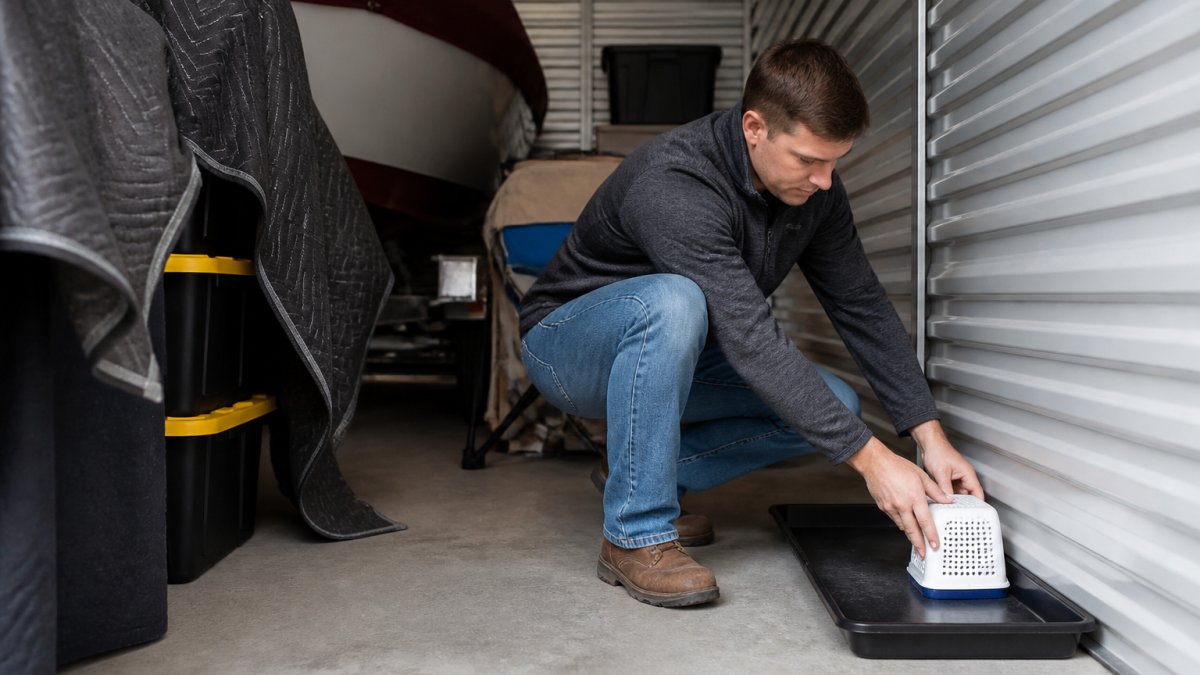
- Place plastic sheeting or pallets under upholstered items to keep them off a concrete floor, which wicks moisture.
- Store mattresses flat or on their side, never bent, and always in a mattress bag.
- Disassemble large items, bed frames, tables, and bag the hardware. This saves space and prevents damage.
- Leave a small aisle in the unit so you can reach items without unpacking everything.
Security, Climate Control, and Facility Quality Matter
Security features include surveillance cameras, gated access, individual locks, and on-site management.
Climate control maintains safe temperature and humidity for sensitive items. Without it, heat damages electronics, documents, and photographs, humidity promotes mold, and cold makes materials brittle.
Facility cleanliness indicates management quality: clean, organized rows suggest proper maintenance and pest control, while dirty floors and visible damage suggest the opposite. Visit in person before renting.
Out of Site Storage offers secure, convenient, and accessible storage solutions in Howell, MI.
How to Find Affordable Short-Term Storage Near You
Finding affordable storage requires comparing options systematically. Start by identifying the size unit you actually need, overestimating wastes money, underestimating creates problems mid-rental.
Get quotes from multiple facilities, asking for total cost including all fees and the standard rate, not promotional pricing.
Check online reviews for comments about cleanliness, security, and customer service.
Ask about promotional offers, many facilities waive the first month's rent or deposit for new customers, saving hundreds.
Consider location carefully.
Out of Site Storage offers multiple locations in Howell, MI, and flexible online payment options.
Finding the right short-term storage means balancing cost, protection, and convenience. At Out of Site Storage, we provide secure, clean facilities with 24/7 access. RESERVE TODAY to find the right unit and get a complete cost breakdown before you commit.
Frequently Asked Questions
What fees should I check before renting a storage unit?
Beyond the advertised monthly rate, ask about administrative fees, deposit requirements, access fees, insurance costs, and late payment penalties. Some facilities charge for climate control, security monitoring, or moving assistance. Request a complete cost breakdown in writing before signing. Hidden fees can add 20-40% to your total short-term storage cost, so clarifying all charges upfront prevents surprises.
How much storage space do household goods need?
Measure your items and ask facility staff for size recommendations before committing to avoid paying for unused space or discovering your unit is too small.
Is short-term storage more expensive than long-term storage?
Short-term storage often costs more per month because facilities charge higher rates for flexible, shorter commitments. However, the total cost may be lower if you only need storage for a few months. Compare total costs across your entire rental period rather than monthly rates alone. Month-to-month flexibility typically carries a premium, but it eliminates long-term contract penalties.
How can I lower the cost of short-term storage?
Rent the smallest unit that fits your belongings to avoid paying for wasted space. Compare facilities in your area and negotiate rates, especially for multi-month commitments. Ask about move-in specials, discounts for online payment, or off-peak pricing. Downsize before storing to reduce unit size needed. Clean out items you don't need rather than paying to store them.