 how-to
5 Ways to Organize a Move in 30 Days
Table of Contents
- Start With a Moving Timeline and Master Checklist
- Decluttering Before a Move: The Foundation of Organization
- Gather Moving Supply Essentials Early
- Create a Labeling and Inventory System
- Consider Storage Unit Rental for Moving Overflow
- Manage Utilities, Address Changes, and Documentation
- Plan for Moving Day Logistics and Safety
- Frequently Asked Questions
Last Updated: October 2, 2026
Start With a Moving Timeline and Master Checklist
To organize a move effectively, break it into four manageable weeks with specific tasks to prevent last-minute panic. A master checklist, from notifying utilities to packing the kitchen, removes the mental burden of remembering what's left to do.
Week 1: Planning and Preparation
Week 1: Measure doorways and hallways in your new space. Book movers or a rental truck early for better rates and availability. Notify your landlord and contact utility companies (they need at least two weeks' notice). Create your master checklist with deadlines and share it with anyone helping you move.
Weeks 2-3: Active Packing and Downsizing
Weeks 2-3: Pack rooms you use least first (guest rooms, storage closets, seasonal items), leaving bedroom and kitchen for later. Label every box with contents and destination room. Keep a "first night" box unpacked with essentials.
Week 4: Final Coordination and Moving Day
Week 4: Pack remaining items and confirm logistics with your moving company the day before. Pack a bag with important documents, medications, and valuables to keep with you. On moving day, do a final walkthrough, check all spaces, and photograph the empty home for your security deposit.
Decluttering Before a Move: The Foundation of Organization
Decluttering is the best way to organize a move in 30 days. The average household moves 15,000 to 20,000 items; cutting that by 30 percent saves time, money, and stress.

The Four-Box Method
Label four boxes: Keep (items you use regularly or love), Donate (good condition, unneeded), Sell (resale value), and Discard (broken or unusable). This forces quick decisions, each item gets one clear destination.
Room-by-Room Strategy
Work through your home room by room, starting with low-emotion spaces (garage, basement, storage closets). Set a timer for two to three hours per room to stay focused and prevent overthinking.
Gather Moving Supply Essentials Early
Order supplies in week one to avoid rush fees and poor-quality materials. Invest in sturdy boxes rated for moving, cheap boxes collapse under weight and tear during loading.
Boxes, Tape, and Packing Materials
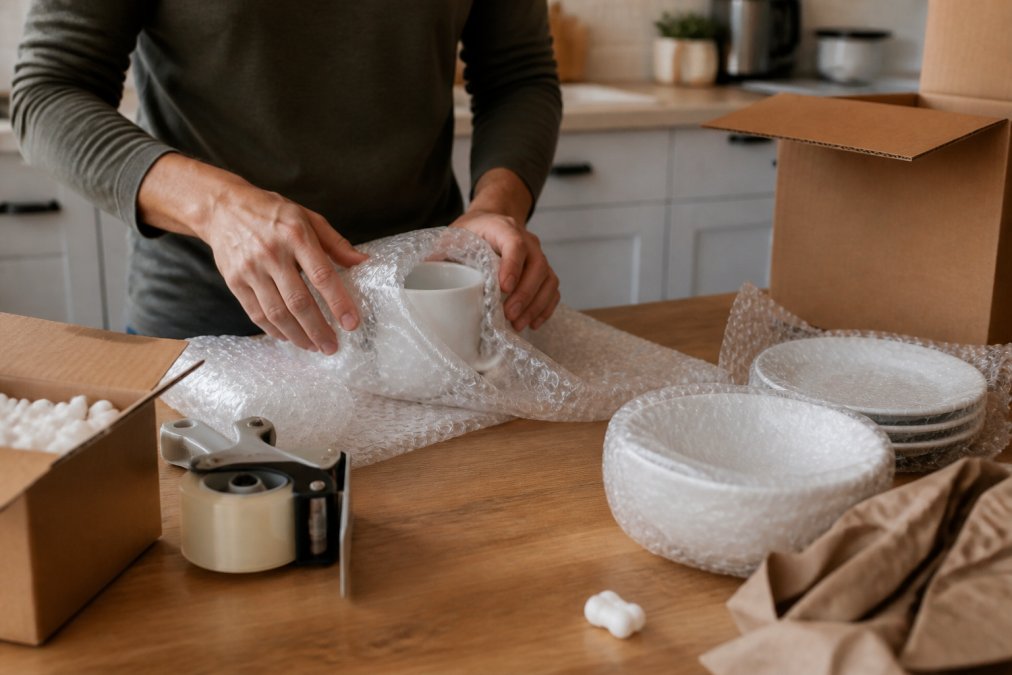
A typical three-bedroom home requires 50 to 100 boxes; order 20 percent extra. Buy small boxes for books, medium for dishes, large for clothing, and wardrobe boxes for hanging clothes. Use quality packing tape (two pieces on every box bottom) and stock bubble wrap, packing paper, foam peanuts, plastic wrap, and kraft paper.
Labeling and Inventory Systems
Label every box with contents and destination room using a color-coded system (red for kitchen, blue for bedroom, green for living room). Create a detailed inventory list with box numbers to help locate items quickly and serve as proof for insurance.
Create a Labeling and Inventory System
Use a permanent marker to write on the top and sides of each box: room destination, box number, brief contents list, and fragility warnings if needed.
Physical Labeling Best Practices
Label boxes on multiple sides with large, legible text. Color-coded tape or markers speed up identification during unloading.
Digital Inventory and App-Based Tracking
A digital backup transforms your moving inventory from a static checklist into a searchable database. Take a photo of each labeled box with your phone immediately after packing. Create a spreadsheet (Google Sheets, Excel, or Apple Numbers) with these columns:
- Box number
- Room destination
- Detailed contents
- Photo filename or link
- Fragility level
- Priority (first-night, essential, non-essential)
For a more streamlined approach, consider moving-specific apps that automate this process. Apps like Sortly, Airtable, or even simple note-taking apps with photo attachments let you:
- Snap a photo of each box and tag it with room and contents
- Search by item name to locate a specific box weeks after moving
- Share access with family members or movers so everyone knows where things are
- Generate a checklist of boxes to confirm nothing was left behind
This digital layer is invaluable during unpacking. Instead of opening 15 boxes to find your coffee maker, you search your app, note it's in "Box 7 - Kitchen," and retrieve it directly. The system also serves as proof of inventory for insurance claims if damage or loss occurs.
First-Night and Priority Marking
Within your inventory system, flag items you'll need immediately. Mark these boxes with a large "OPEN FIRST" label on multiple sides. Include items like:
- Toiletries and medications
- Phone chargers and electronics
- Bedding and pillows
- Change of clothes
- Pet supplies and food
- Important documents and valuables
- Basic kitchen items (coffee maker, plates, utensils)
- Cleaning supplies and paper towels
In your digital inventory, tag these boxes as "Priority: 1" so they're easy to filter. During unloading, direct movers to place these boxes in your bedroom or kitchen first, not buried under furniture.
Consider Storage Unit Rental for Moving Overflow
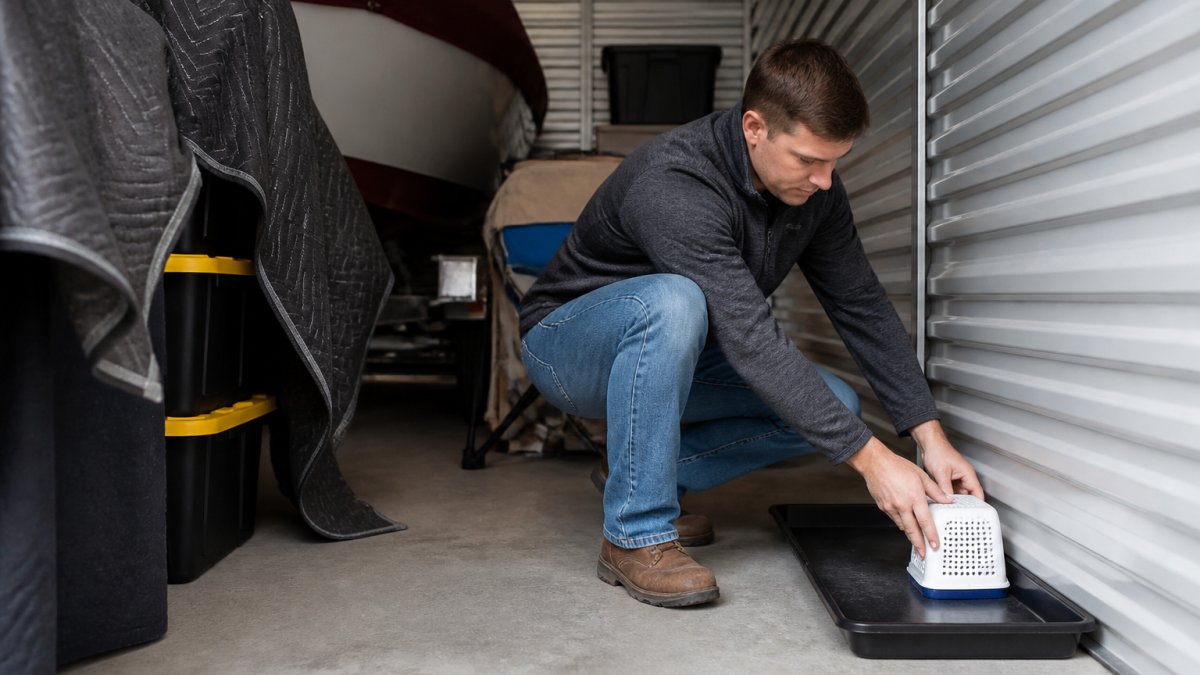
Not everything fits in your new place on day one. A storage unit solves this problem. You can store items temporarily while you settle in and decide what to keep.
Out of Site Storage offers flexible storage solutions for people organizing a move in 30 days. Our 24/7 access means you can retrieve items whenever you need them.
When to Rent Storage During a Move
Rent a storage unit if you have more items than your new space can hold. Common situations include:
- Downsizing to a smaller home
- Moving temporarily before your permanent home is ready
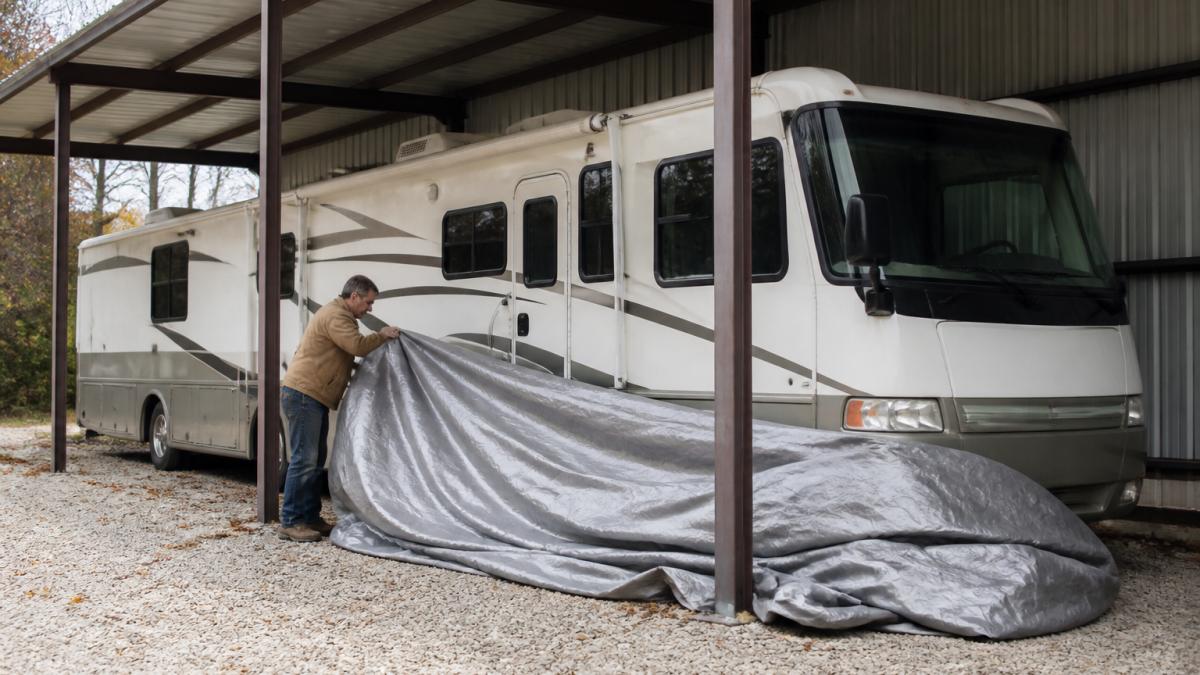
- Storing seasonal items you don't need immediately
- Keeping furniture while you decide what fits in your new layout
A storage unit also buys you time. You don't have to make keep-or-discard decisions in one day. Store items for a month or two, then decide what you actually missed.
Choosing the Right Unit Size and Access
Unit sizes range from 5x5 feet to 10x30 feet. A 5x10 unit holds the contents of a small bedroom.
Measure your largest items before renting. Make sure dressers, couches, and beds fit through the door.
24/7 access is essential during a move. You might need to retrieve items at odd hours.
Manage Utilities, Address Changes, and Documentation
Utility transfers require advance notice. Contact each utility company at least two weeks before moving:
- Electric company
- Gas company
- Water and sewer service
- Internet and cable provider
- Phone service
Request disconnection at your old address and connection at your new address. Schedule these services so utilities are active when you arrive.
Update your address with the U.S. Postal Service. File a change of address form online or at your local post office. This forwards mail to your new home for up to one year.
Notify these organizations of your move:
- Banks and credit card companies
- Insurance providers
- Employer and payroll
- Subscription services
- Government agencies (if applicable)
- Schools and medical providers
Keep important documents in a safe folder during your move. Include:
- Lease or mortgage documents
- Insurance policies
- Medical records
- Vehicle registration and titles
- Birth certificates and Social Security cards
Plan for Moving Day Logistics and Safety
Moving day requires coordination and preparation on multiple fronts: logistical, physical, and emotional. Create a moving day schedule and share it with everyone involved. Start early; most moves take longer than expected.
Pre-Move Day Preparation
Prepare your home the night before:
- Pack a first-night bag with essentials
- Charge all devices and power banks
- Locate important documents and valuables
- Clear pathways for movers to walk through
- Protect floors with cardboard or drop cloths
- Take meter readings (electric, gas, water) for your final utility bill
- Take photos of your old home's condition for your security deposit
Physical Safety and Proper Technique
Safety matters during a move. Wear closed-toe shoes with good grip to prevent slips on stairs or ramps. Use proper lifting techniques: bend your knees, not your back.
Stay hydrated throughout the day and take regular breaks, especially in warm weather. Dehydration and fatigue increase the risk of injury.
Managing the Emotional and Mental Toll
Anticipate decision fatigue. Decluttering, packing, and coordinating logistics require hundreds of small decisions.
Create a support system. Don't move alone, even if you're hiring professional movers.
Set boundaries on perfectionism. Moving doesn't have to be perfect.
Plan a post-move recovery day. After moving day, your body and mind are exhausted.
Final Walkthrough and Documentation
After everything is unloaded, do a final walkthrough of your old place. Check every room, closet, cabinet, and drawer. Look under beds, in the attic, and behind doors.
Confirm with your moving company that all items have been unloaded. Check your digital inventory against the physical boxes in your new home to ensure nothing was left behind or lost in transit.
Frequently Asked Questions
What is the first thing to do when you have 30 days to organize a move?
Start by creating a detailed moving checklist and timeline broken into weekly milestones. In the first week, measure doorways and hallways at your new location, notify your landlord or utility companies, and begin decluttering. Early planning prevents last-minute panic and ensures you have time to handle unexpected delays. Use a calendar to track deadlines for address changes, service cancellations, and packing phases.
How do I declutter before a move without feeling overwhelmed?
Use the four-box method: keep, donate, sell, and discard. Work room by room rather than trying to declutter your entire home at once. Set a timer for 30-minute sessions to maintain focus. Be honest about items you haven't used in a year. Decluttering reduces moving costs, packing time, and the amount of inventory you need to manage or store. Donate items to local charities or sell valuable pieces online.
What are the essential moving supply items I need to buy?
Stock up on sturdy boxes in various sizes, packing tape, bubble wrap, packing paper, and markers for labeling. Include specialty items like wardrobe boxes for hanging clothes, dish pack boxes for fragile items, and furniture pads. Invest in a labeling system, color-coded tape or printed labels, to track contents and destination rooms. Buy supplies early (by week 1) to avoid shortages and ensure you have enough for all your belongings.
Should I rent a storage unit while organizing my move in 30 days?
Renting a storage unit makes sense if you're downsizing, selling your current home before closing on a new one, or need temporary overflow space. Choose a unit with 24/7 access so you can retrieve items on your schedule.
Organizing a move in 30 days is absolutely doable with the right system. Start your timeline immediately, declutter aggressively, and gather supplies early. Out of Site Storage helps thousands of people during relocations by providing secure, accessible space for items that don't fit in their new homes right away. Our 24/7 access and flexible month-to-month options make temporary storage simple. RESERVE TODAY and get the breathing room you need to organize your move without stress.