 ultimate-guide
Secure Boat Storage in Howell: Complete Guide
Table of Contents
- What to Look for in Secure Boat Storage
- Indoor vs Outdoor Boat Storage: Which Works Better
- Security Features That Matter
- Understanding Boat Storage Cost Per Month
- Winter Boat Storage Tips for Michigan Owners
- Facility Accessibility and Hours
- Insurance and Legal Considerations
- Frequently Asked Questions
Last Updated: September 23, 2026
What to Look for in Secure Boat Storage
When you're searching for secure boat storage, you're protecting one of your most valuable assets. The right facility combines physical security, climate control options, and accessibility that fits your lifestyle.
The best secure boat storage facilities share several critical characteristics. Look for gated access with keypad entry systems that restrict who can enter. Video recording and 24/7 surveillance should cover all parking areas and entry points. The facility should be well-lit at night. Beyond security hardware, ask about the condition of the lot itself: is it clean, well-maintained, and free from standing water or debris that could attract pests?
A common mistake boat owners make is confusing "secure" with "available." A facility might have excellent security but limited access hours, leaving you unable to reach your boat when you need it. Out of Site Storage offers 24/7 access across multiple locations in Howell, ensuring your watercraft is reachable whenever an emergency or opportunity arises.
Indoor vs Outdoor Boat Storage: Which Works Better
The choice between indoor warehouse storage and outdoor covered or uncovered options depends on your boat's value, your budget, and how long you'll store it. Each approach has real trade-offs that go beyond the obvious price difference.
Indoor Warehouse Storage
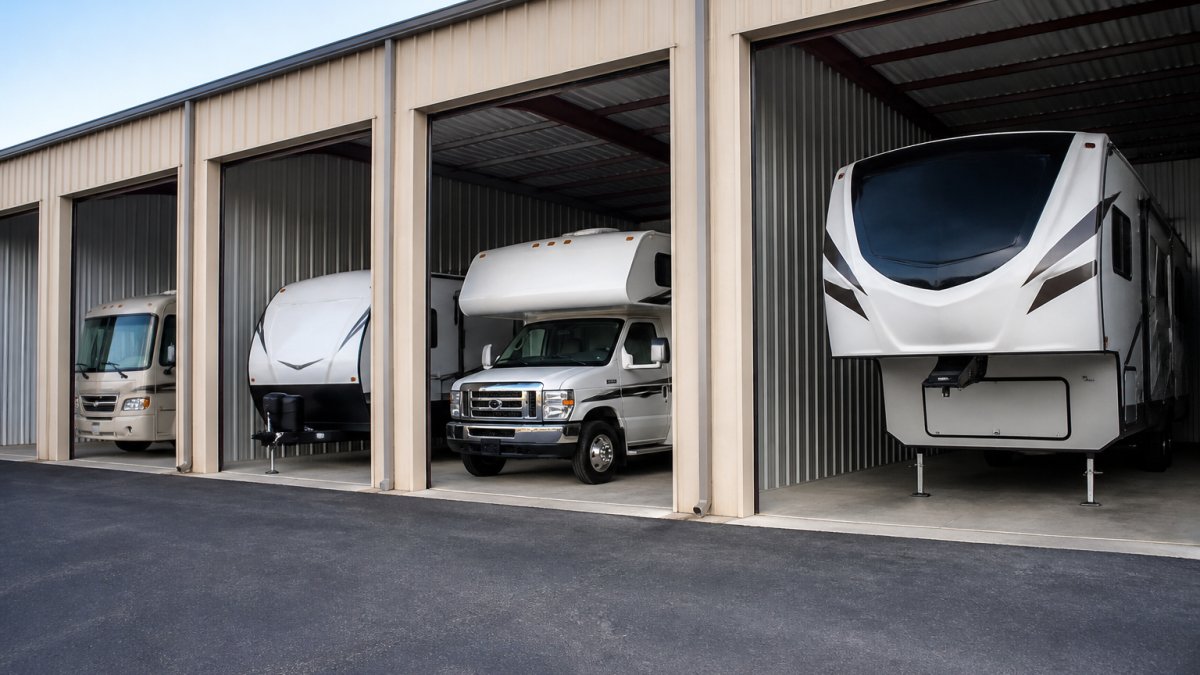
Indoor warehouse storage offers a high level of protection for your watercraft. An indoor facility can shield your boat from UV damage, salt spray, temperature fluctuations, and precipitation. For fiberglass hulls, wood trim, and electronics, these conditions can help prevent accelerated deterioration that happens in outdoor environments.
The trade-off is accessibility and cost. Indoor storage typically requires advance notice before you can access your boat, and the rental rates reflect the controlled environment and facility overhead. If you need frequent access during the off-season, indoor storage becomes impractical. However, for boats stored for extended periods, especially during harsh winter months, the protection can justify the expense.
Indoor facilities can also protect against theft and vandalism more effectively than outdoor lots. Your boat is enclosed within a building, hidden from view and protected by the facility's perimeter security. This can matter significantly for high-value vessels or boats stored in areas with active theft.
Outdoor Covered and Uncovered Options
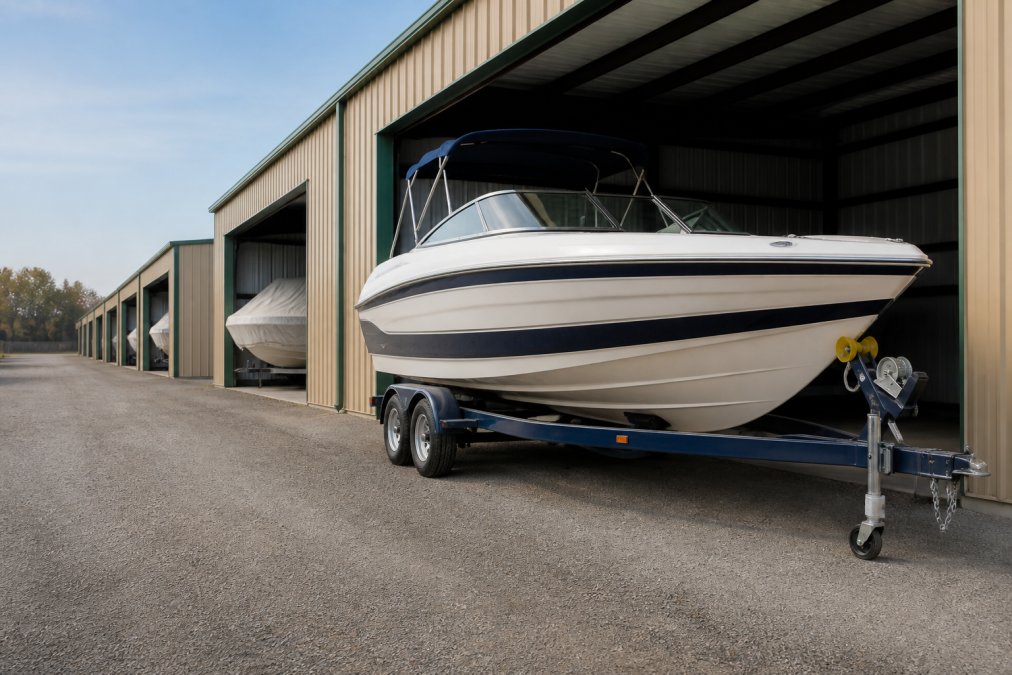
Outdoor covered storage sits between the extremes. A pole barn or covered structure protects your boat from direct sun and precipitation while maintaining lower costs than climate-controlled indoor space. The boat remains visible and accessible without the delay of indoor retrieval. For many boat owners, this represents the practical middle ground.
Uncovered outdoor parking is the most affordable option, but it offers minimal protection. Your boat faces direct UV exposure, temperature swings, moisture accumulation, and weather damage. This approach works only for short-term storage or boats that can tolerate outdoor conditions without degradation.
Security Features That Matter
The security infrastructure of a storage facility determines whether your boat stays protected or becomes vulnerable. Real security goes beyond a fence and a gate, it requires integrated systems and consistent monitoring.
Look for facilities with multiple layers of security. The perimeter should be completely fenced with gates that close automatically. Keypad entry systems allow controlled access without physical keys that can be lost or copied. Video recording systems should cover all parking areas, entrances, and the facility perimeter. The cameras should record 24/7, not just during business hours.
Lighting matters more than many boat owners realize. Well-lit facilities deter criminal activity because potential thieves avoid areas where they're easily visible. The lighting should cover parking areas, walkways, and the perimeter evenly, dark corners create opportunities for theft or vandalism.
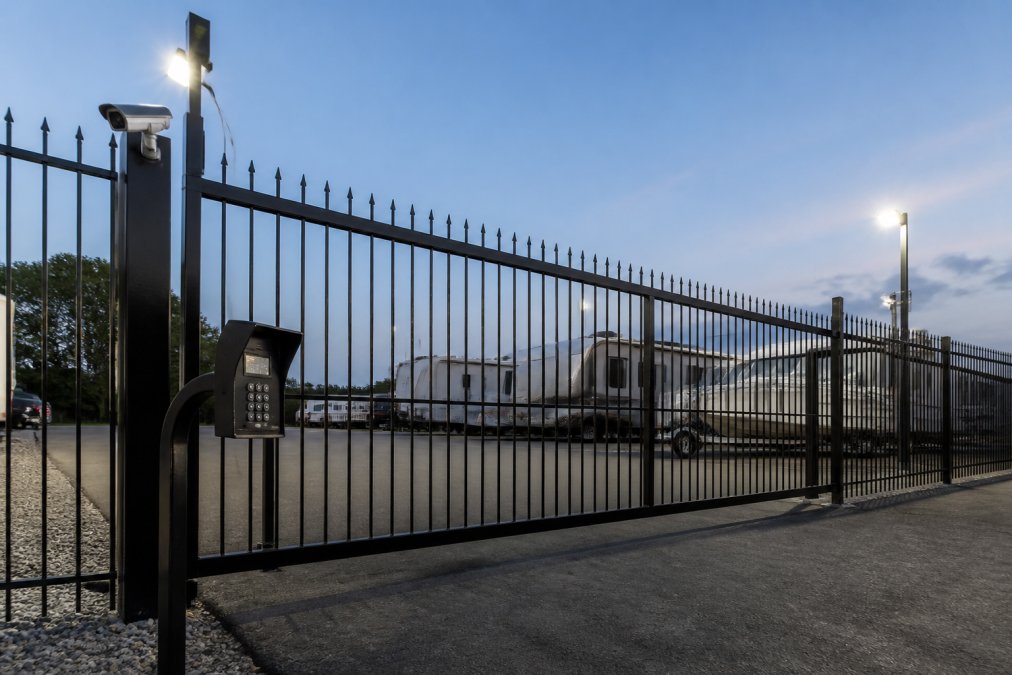
Out of Site Storage maintains secure facilities across multiple Howell locations with 24/7 surveillance and controlled access. This combination of physical barriers and electronic monitoring creates an environment where your boat remains protected.
Understanding Boat Storage Cost Per Month
Boat storage pricing depends on several factors: the size of your watercraft, the type of storage (covered versus uncovered, indoor versus outdoor), the length of your lease, and the facility's location and amenities. Rather than a fixed rate, most facilities use linear foot pricing, charging based on the length of your boat.
Seasonal storage typically costs less per month than year-round storage. A three-month winter storage contract may cost less per month than a single-month rental, but more in total than spreading the same duration across multiple shorter leases.
Indoor warehouse storage costs significantly more than outdoor options due to climate control, building maintenance, and overhead. Covered outdoor storage falls in the middle. Uncovered parking is the least expensive but offers minimal protection.
For current pricing specific to Out of Site Storage's boat storage options, visit their website or contact them directly for a quote based on your boat's dimensions and your storage needs. Pricing varies by location and storage type, and they offer flexible rental terms.
Winter Boat Storage Tips for Michigan Owners
Michigan winters demand serious preparation before you store your boat. Freezing temperatures, snow load, and ice accumulation can cause damage that remains hidden until spring, then becomes expensive to repair.
Preparing Your Boat Before Storage
Start with a thorough cleaning before storage begins. Remove all organic material: leaves, dirt, pollen, and debris. These materials trap moisture against your boat's surfaces and create conditions for mold, mildew, and corrosion. Pay special attention to the bilge area, which collects water and debris naturally.
Drain all water from the engine cooling system, freshwater tanks, and any other water-holding systems. Trapped water freezes and expands, cracking hoses, manifolds, and tanks. If your boat has a saltwater cooling system, use a proper antifreeze designed for marine engines rather than automotive antifreeze, which is toxic to marine life.
Top off your fuel tank to prevent condensation from forming inside the tank during temperature fluctuations. Add fuel stabilizer to prevent varnish buildup in the fuel system during months of inactivity. Run the engine long enough to circulate the stabilized fuel through the fuel lines.
Check and top off all fluid levels: engine oil, transmission fluid, and coolant. During storage, condensation can contaminate oil, so consider changing the oil before storage rather than waiting until spring.
Maintenance During Off-Season Storage
Even while your boat sits idle, maintenance continues. Check your boat monthly during storage. Look for water intrusion, pest activity, mold growth, or corrosion. Early detection prevents small problems from becoming catastrophic.
If you're using a covered storage facility, ensure air circulation around your boat prevents moisture accumulation. Tarps and covers should allow some ventilation, completely sealing a boat traps moisture and creates ideal conditions for mold.
For boats stored outdoors, remove accumulated snow and ice regularly. Weight buildup on your boat's structure can cause structural damage or stress on support systems. Clear gutters and drainage areas to prevent water pooling.
Battery maintenance during storage prevents sulfation and loss of charge. Either remove the battery and store it in a climate-controlled location, or use a battery maintainer that keeps the charge topped off without overcharging. A dead battery in spring means you can't start your engine for spring commissioning.
Facility Accessibility and Hours
The accessibility features of a storage facility determine how easily you can reach your boat when you need it. This includes both physical access (can your boat size fit through the entrance?) and temporal access (can you reach it when you need to?).
Physical accessibility means the facility's drive-up access accommodates your boat's dimensions. A 32-foot RV or large powerboat needs wider lanes and higher clearance than a small fishing boat. Ask specific questions about maximum boat length and beam width the facility can accommodate. Visit during off-hours to confirm that the drive-up entrance actually works for boats your size, some facilities have theoretical capacity that doesn't work in practice.
Temporal accessibility is equally important.
Insurance and Legal Considerations
Before signing a storage agreement, understand your insurance obligations and the facility's liability limits. Most homeowners or renters insurance policies do not cover boats in external storage, you need a separate marine insurance policy or a rider on your existing policy.
Frequently Asked Questions
What security features should I look for in a secure boat storage facility?
Look for 24/7 video surveillance, gated access with keypad entry, security lighting throughout the lot, and regular property management oversight. Fenced perimeters prevent unauthorized access, while on-site monitoring deters theft. Ask about alarm systems, regular patrols, and whether the facility maintains detailed rental agreements. These features combined create multiple layers of protection for your watercraft.
How much does boat storage cost per month?
Boat storage pricing depends on several factors: boat size, storage type (indoor warehouse, covered, or uncovered), lease length, and facility amenities. Monthly rates vary based on whether you choose climate-controlled indoor storage or outdoor options. Contact Out of Site Storage directly for a quote tailored to your boat's dimensions and storage needs.
What's the best way to prepare my boat for winter storage?
Start by cleaning the interior and exterior thoroughly to prevent mold and mildew. Drain all water systems, including the engine cooling system and plumbing. Fill fuel tanks to prevent condensation buildup, and add fuel stabilizer. Disconnect the battery and store it indoors. Cover your boat with a breathable tarp to protect from dust while allowing air circulation. Proper winterization prevents costly damage during months of inactivity.
Is indoor or outdoor boat storage better for long-term protection?
Indoor storage can offer protection from weather, UV damage, and moisture, making it suitable for boats you plan to store for extended periods. Outdoor covered storage provides a middle ground at lower cost, protecting from rain and sun while allowing better air circulation than fully enclosed spaces. Uncovered outdoor storage is most affordable but offers minimal protection. Your choice depends on budget, boat value, and storage duration.