 listicle
Short-Term Car Storage Options: 2026 Guide
Table of Contents
- Short-Term Car Storage Options Compared
- Commercial Storage Facilities
- Peer-to-Peer Vehicle Storage
- Indoor vs. Outdoor Storage: What's Right for You
- Secure Vehicle Storage Security Features to Evaluate
- Vehicle Storage Preparation Tips Before You Store
- How to Store a Car for 3 Months: Step-by-Step
- Month-to-Month Leases and Flexible Terms
- Conclusion
- Frequently Asked Questions
Last Updated: September 30, 2026
Short-Term Car Storage Options Compared
When your vehicle needs a temporary home, the options range from basic outdoor parking to climate-controlled indoor units. Each type serves different needs, budgets, and timelines. The key is matching your vehicle's requirements with the right storage environment and facility.
Out of Site Storage specializes in short-term car storage options for vehicle owners in the Howell area who need flexible, secure solutions without long-term commitments. Whether you're storing a classic car during winter, parking an extra vehicle while renovating, or protecting a motorcycle between seasons, understanding your options helps you make the right choice.
Below, we'll compare the major short-term car storage options available, explain what distinguishes them, and help you identify which works best for your situation.
Comparison Table: Storage Types & Pricing
| Storage Type | Access | Climate Control | Security | Best For | Price Range |
|---|---|---|---|---|---|
| Commercial Indoor | 24/7 or business hours | Yes, typically | High (cameras, gates, staff) | High-value vehicles, long-term | Higher |
| Commercial Outdoor | 24/7 or business hours | No | Medium (fencing, gates) | Budget-conscious, short-term | Lower |
| Peer-to-Peer (Neighbor) | Host-dependent | No | Host-dependent | Budget storage, local options | Variable |
| Climate-Controlled Unit | 24/7 or business hours | Yes | High (facility-managed) | Sensitive vehicles, winter storage | Higher |
| Drive-Up Access | 24/7 | No | Medium to high | Quick access, convenience | Medium |
Commercial Storage Facilities
Commercial storage facilities remain the most common choice for short-term car storage options. These professionally managed properties offer standardized units, consistent security protocols, and transparent rental terms that appeal to vehicle owners seeking reliability.
The main advantage of commercial facilities is predictability. You know exactly what you're getting: a secure space, defined access hours, professional staff, and clear pricing. Local operators like Out of Site Storage provide the same professionalism with the added benefit of personalized service and familiarity with local conditions.
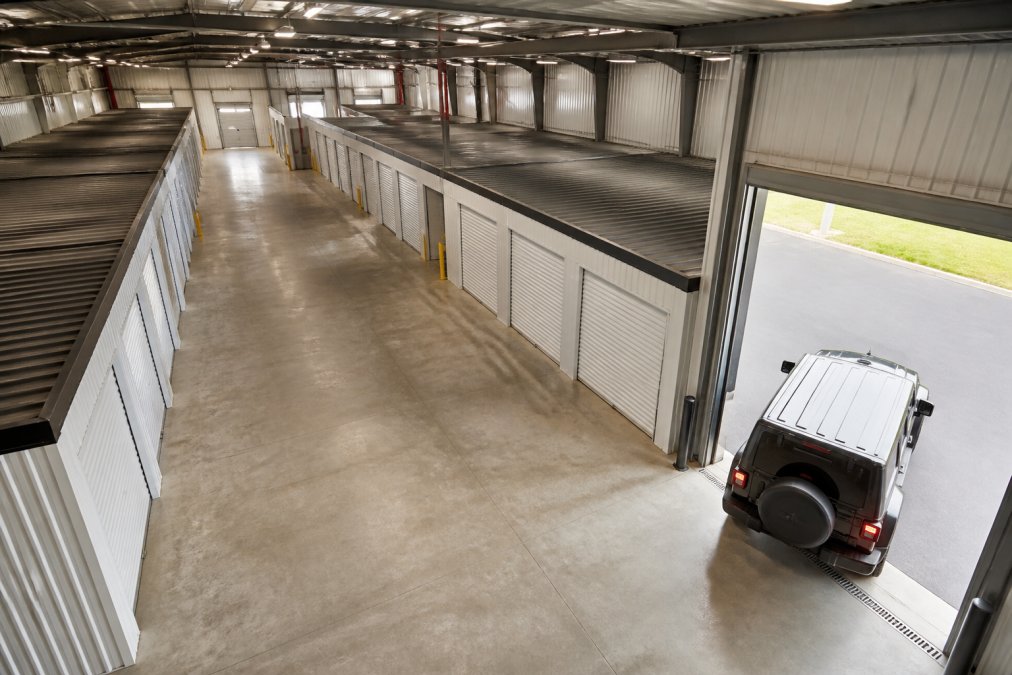
What matters most when evaluating a commercial facility: facility cleanliness, access hours, and security infrastructure. Walk through the property during your visit. Check for standing water, pest evidence, or mold. A facility that maintains clean grounds and organized units suggests they'll protect your vehicle properly.
Commercial facilities typically offer month-to-month leases, which aligns well with short-term storage needs. You avoid long-term contracts and can adjust your rental duration as your situation changes. The trade-off is that monthly rates may be higher than annual contracts at the same facility.
Peer-to-Peer Vehicle Storage
Peer-to-peer storage platforms like Neighbor connect vehicle owners with homeowners who have extra garage or driveway space. This model flips the traditional commercial storage model: instead of renting from a facility, you rent directly from a local person.
The appeal is straightforward: cost. Peer-to-peer storage typically costs less than commercial facilities because the host isn't managing a large property or paying facility staff. A homeowner with an empty garage might rent space for significantly less than a commercial unit in the same area.
The catch is variability. Security depends entirely on the individual host. One host might have professional-grade cameras and a gated driveway; another might offer an open garage with minimal protection. The facility quality, cleanliness, and access hours all depend on the host's standards, not an industry baseline.
Neighbor's verification system helps mitigate this risk. Hosts are identity-verified and their listings include photos and reviews from previous renters. You can read what others experienced before committing. Still, you're relying on individual accountability rather than institutional standards.
Peer-to-peer works best if you're flexible on access and willing to accept some uncertainty in exchange for lower cost. It's ideal for vehicles you don't need frequent access to during the storage period.
Indoor vs. Outdoor Storage: What's Right for You
The indoor-versus-outdoor decision shapes your entire storage experience. Both serve short-term car storage options well, but they protect your vehicle differently and cost differently.
Indoor storage keeps your vehicle completely protected from weather. Rain, snow, UV exposure, and temperature swings all happen outside the unit. For vehicles stored through winter months, indoor storage prevents salt damage, rust acceleration, and weather-related wear. The downside: indoor units cost more.
Outdoor parking exposes your vehicle to the elements but costs significantly less. Your car sits in an open lot or under a carport, protected from theft by perimeter fencing and gates but not from weather. For short-term storage of vehicles you're not emotionally attached to, or for storage during mild seasons, outdoor parking works fine.
The real question is your vehicle's value and sensitivity. A classic car worth $50,000 justifies indoor, climate-controlled storage. A commuter car you're parking for three months while your home is being renovated might be fine in a secure outdoor space. A motorcycle or RV benefits from indoor protection because they're harder to weather-seal than cars.
Secure Vehicle Storage Security Features to Evaluate
Security infrastructure separates a storage facility you can trust from one that leaves you anxious. When evaluating a facility's security, look beyond the marketing language to actual systems.
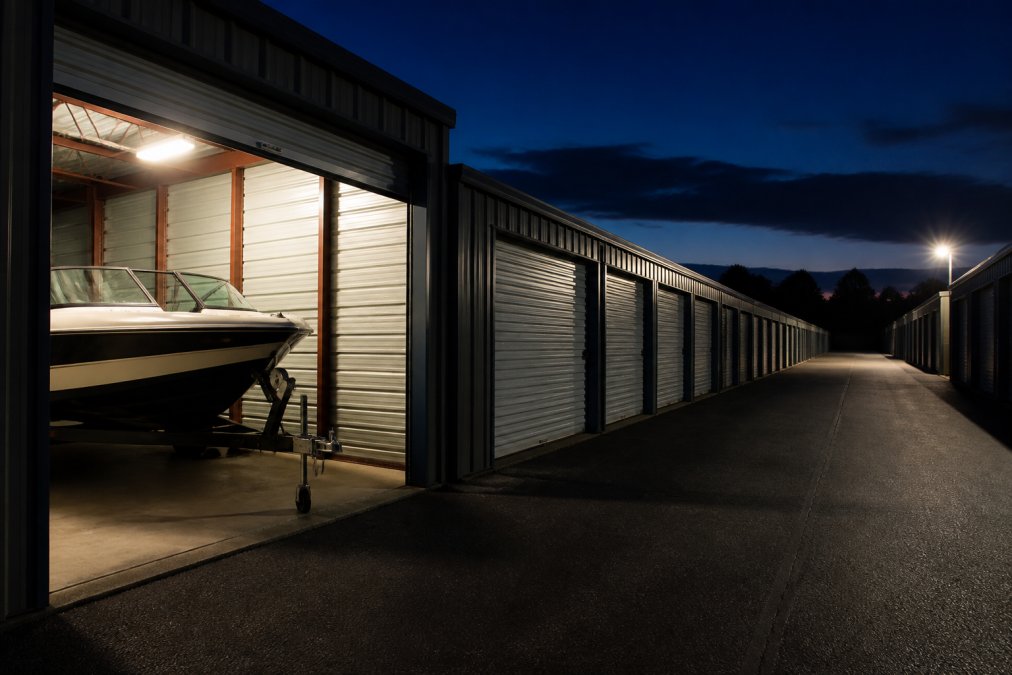
Physical barriers come first. Perimeter fencing should be solid (not chain-link, which allows visibility and climbing). Gates should be locked and monitored. Drive-up access facilities should have controlled entry points, not open driveways. The goal is making your vehicle harder to access than the one next door.
Surveillance systems matter more than you'd think. Facilities with visible cameras covering all angles deter theft and provide evidence if something happens. Ask how long they retain footage and whether it's monitored live or recorded only.
Access control determines who can reach your vehicle. Identity-verified access, where renters use a code or key card to enter, is better than open-access facilities. Ask whether staff members conduct regular patrols or if the property is unmanned overnight.
Out of Site Storage's 24/7 access model provides flexibility while maintaining security through gated entry and facility monitoring. You can retrieve your vehicle anytime, but unauthorized access is prevented by the facility's security infrastructure.
Vehicle Storage Preparation Tips Before You Store
How you prepare your vehicle before storage determines whether it emerges in good condition or with unexpected problems. Proper vehicle storage preparation tips take a few hours but prevent weeks of recovery work.
Fuel system: Fill your tank nearly full or add fuel stabilizer. A full tank minimizes condensation inside the fuel tank during storage. If you prefer a lower fuel level, add a fuel stabilizer to prevent varnish buildup in the carburetor and fuel injectors.
Battery: Disconnect the negative terminal or use a battery tender (trickle charger) to maintain charge. A disconnected battery won't drain; a tender keeps it topped up if you store for more than a month. Dead batteries are common in long-stored vehicles.
Tire pressure: Inflate tires to the vehicle manufacturer's recommended PSI plus 2 pounds. This prevents flat-spotting, permanent deformation of the tire where it contacts the ground. Check tire pressure monthly if possible, especially for storage longer than two months.
Fluids: Top off all fluids: oil, coolant, transmission fluid, brake fluid. Low fluid levels can damage seals and gaskets during storage. Change the oil before long-term storage if you're past your oil change interval.
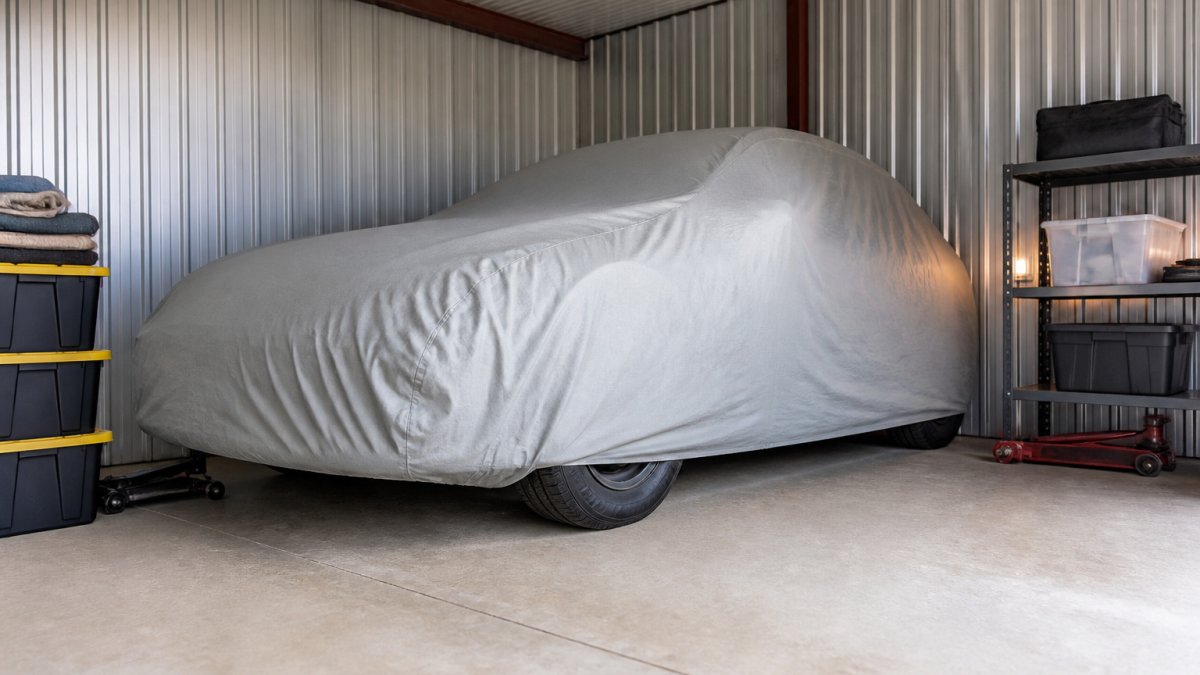
Protection: Use a car cover to protect against dust and minor damage, especially in outdoor storage. For indoor storage, a cover is optional but still helpful. Ensure the cover breathes; non-breathable covers trap moisture.
Engine: Run the engine for 15-20 minutes to circulate fresh oil through the engine before storage. This protects internal components during the dormant period.
How to Store a Car for 3 Months: Step-by-Step
Three months is the sweet spot where proper storage preparation matters most. Your vehicle won't sit so long that everything fails, but it's long enough that neglect causes real problems. Follow this step-by-step process.
Step 1: Choose your storage facility (1-2 days) Research short-term car storage options in your area. Visit at least two facilities in person. Check cleanliness, ask about security, and confirm access hours match your needs. Confirm month-to-month rental terms are available. Out of Site Storage's multiple Howell locations and 24/7 access work well for this timeline.
Step 2: Prepare your vehicle (2-3 hours) Complete the preparation steps outlined above: fuel, battery, tires, fluids, and protection.
Step 6: Monthly check-ins (30 minutes per visit)
Month-to-Month Leases and Flexible Terms
Understand what happens if you can't pay on time. Most facilities allow a grace period (typically 5-10 days) before charging late fees. Know your facility's policy to avoid unexpected charges.
Conclusion
Short-term car storage options range from basic outdoor parking to climate-controlled commercial units and peer-to-peer arrangements. The right choice depends on your vehicle's value, the storage duration, your access needs, and your budget.
Self-storage industry best practices
Vehicle storage and preservation guidelines
Consumer protection standards for storage facilities
Frequently Asked Questions
What's the best way to prepare a vehicle for short-term car storage?
Before storing your car, consider protecting it from dust and moisture. Using a breathable car cover can help.
How long can a car safely sit in storage without being started?
The safe storage duration for a car without being started depends on its preparation. Using a battery tender and fuel stabilizer can extend the safe storage window.
What security features should I look for in a vehicle storage facility?
Prioritize 24/7 surveillance with security cameras covering all areas, gated access, and well-lit grounds. Secure fencing is also important.
Is indoor or outdoor storage better for short-term car storage?
Indoor storage protects against weather, UV damage, and environmental hazards. Outdoor storage costs less but exposes your car to rain, snow, and sun damage. Choose indoor if your car is valuable or you're storing during harsh weather months.
What documentation or insurance do I need for storing my vehicle?
Have your vehicle registration and proof of insurance available when renting a unit.