 listicle
Top 5 Storage Options for Large RVs
Table of Contents
- 1. Indoor RV Storage: Maximum Protection for Large Recreational Vehicles
- 2. Covered RV Storage: Weather Protection Without Indoor Costs
- 3. Outdoor Storage: Budget-Friendly Option for Large RVs
- 4. Long-Term RV Storage: Planning for Off-Season and Extended Parking
- Understanding RV Storage Cost and Facility Security
- How to Choose the Right Storage Option for Your Large RV
- Preparing Your Large RV for Storage
- Frequently Asked Questions
Last Updated: October 11, 2026
1. Indoor RV Storage: Maximum Protection for Large Recreational Vehicles
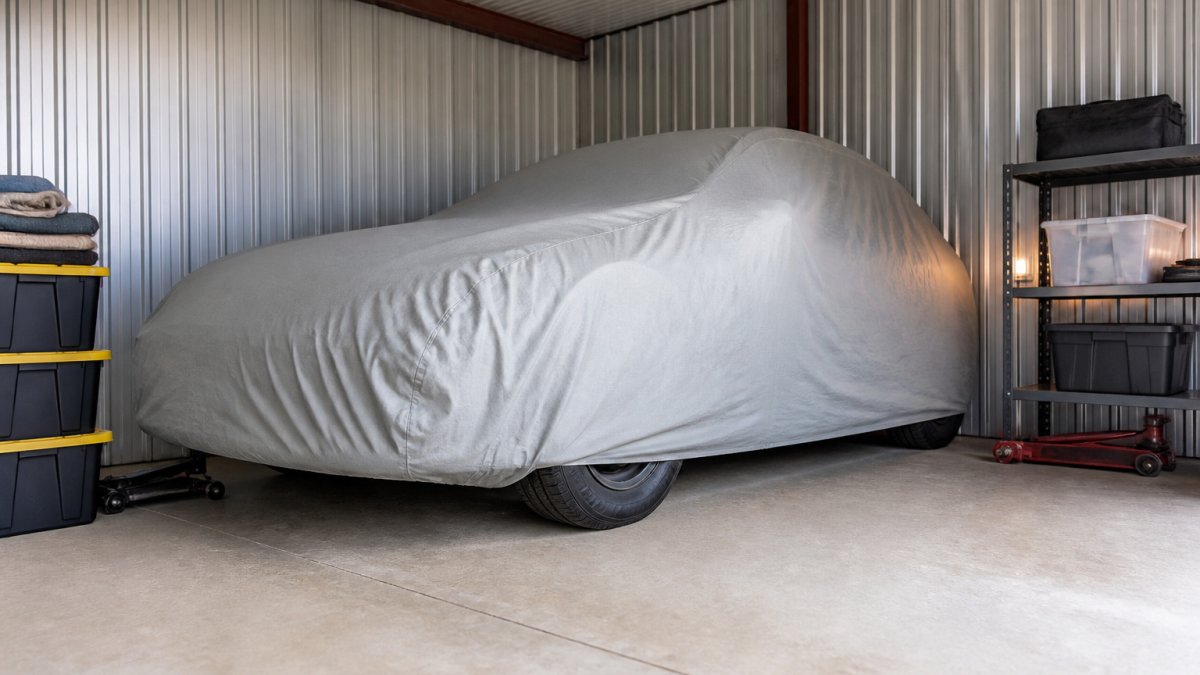
Large RV storage with indoor options offers maximum protection for your recreational vehicle, shielding it from UV damage, extreme temperatures, moisture, and weather-related wear that degrade paint, rubber, and mechanical components.
For large RVs 32 feet or longer, indoor storage eliminates exposure and maintains consistent temperature and humidity, preventing expansion-contraction cycles that cause seal failure and material warping, especially critical for months-long off-season storage.
Out of Site Storage provides dedicated indoor bays with ample clearance for full-size recreational vehicles. Our 24/7 access means you can retrieve your RV whenever you need it, without scheduling conflicts or access windows. The secure environment protects your investment while keeping your vehicle ready to use on short notice.
Indoor storage costs more than covered or outdoor options, but the protection justifies the investment for high-value RVs or long-term storage. It also provides superior security with controlled access and surveillance.
2. Covered RV Storage: Weather Protection Without Indoor Costs
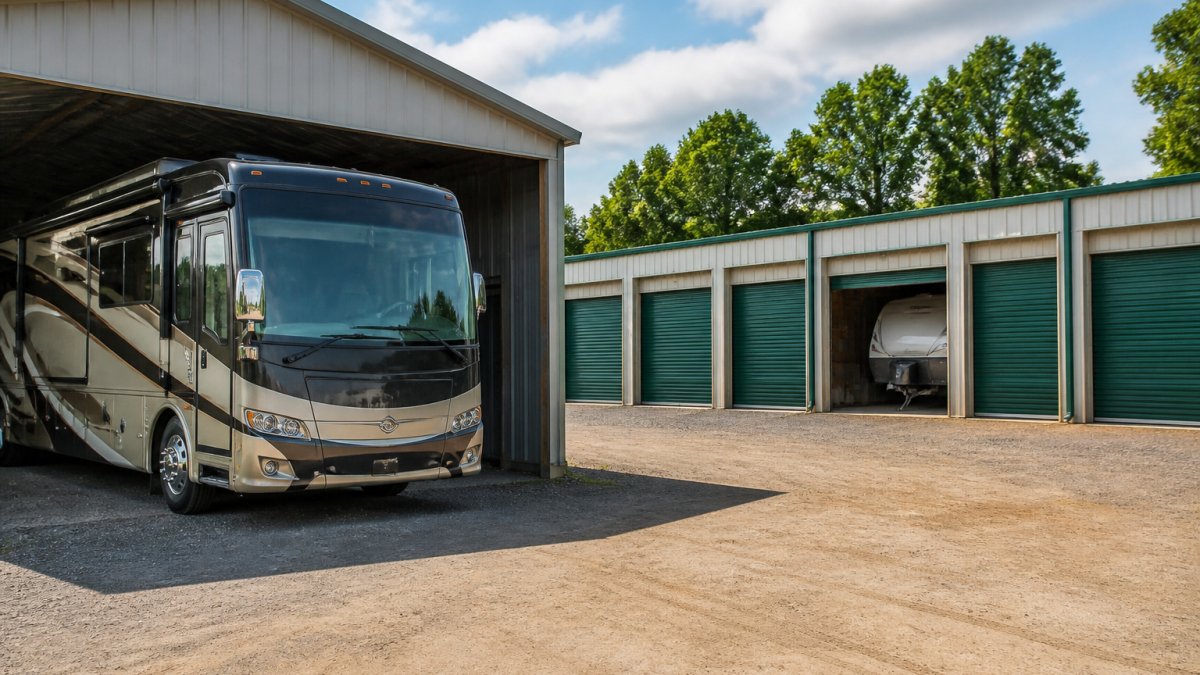
Covered RV storage balances protection and affordability. Your large RV sits under a metal canopy or pole barn that blocks sun, rain, snow, and hail while allowing side air circulation.
Covered storage blocks UV rays, rain, snow, and hail without indoor storage's premium cost. The open-sided design allows moisture to evaporate, preventing condensation buildup that sealed facilities can trap.
Covered storage works well for moderate climates. In regions with intense sun, frequent storms, or heavy snow, verify the facility's roof design handles snow and ice loads safely.
Access at covered facilities is typically unrestricted during business hours, and many offer 24/7 access similar to indoor storage. Out of Site Storage's covered options provide this flexibility, so you're never locked out when you need your RV.
The downside: covered storage offers less climate control than indoor storage, so temperature swings and humidity fluctuations still occur. If you store sensitive equipment or electronics inside your RV, this matters. For most owners, though, the weather protection is sufficient.
3. Outdoor Storage: Budget-Friendly Option for Large RVs
Outdoor storage is the most affordable option for large RV parking. For budget-conscious owners or short-term storage, it can be practical despite full exposure to sun, rain, wind, and temperature changes.
Outdoor storage works best in drier climates with minimal precipitation. In arid regions, it reduces exposure compared to wet or humid areas.
Outdoor storage accelerates aging: paint fades, rubber seals crack, and water seeps into seams and electrical components. Over months or years, this measurably reduces your RV's condition and resale value.
Outdoor facilities typically offer lower-cost access options. Some charge monthly rates significantly below covered or indoor alternatives. The trade-off is clear: you save money upfront but accept faster deterioration of your vehicle.
If choosing outdoor storage, inspect regularly for water intrusion, check tire pressure, and apply protective treatments before storing.
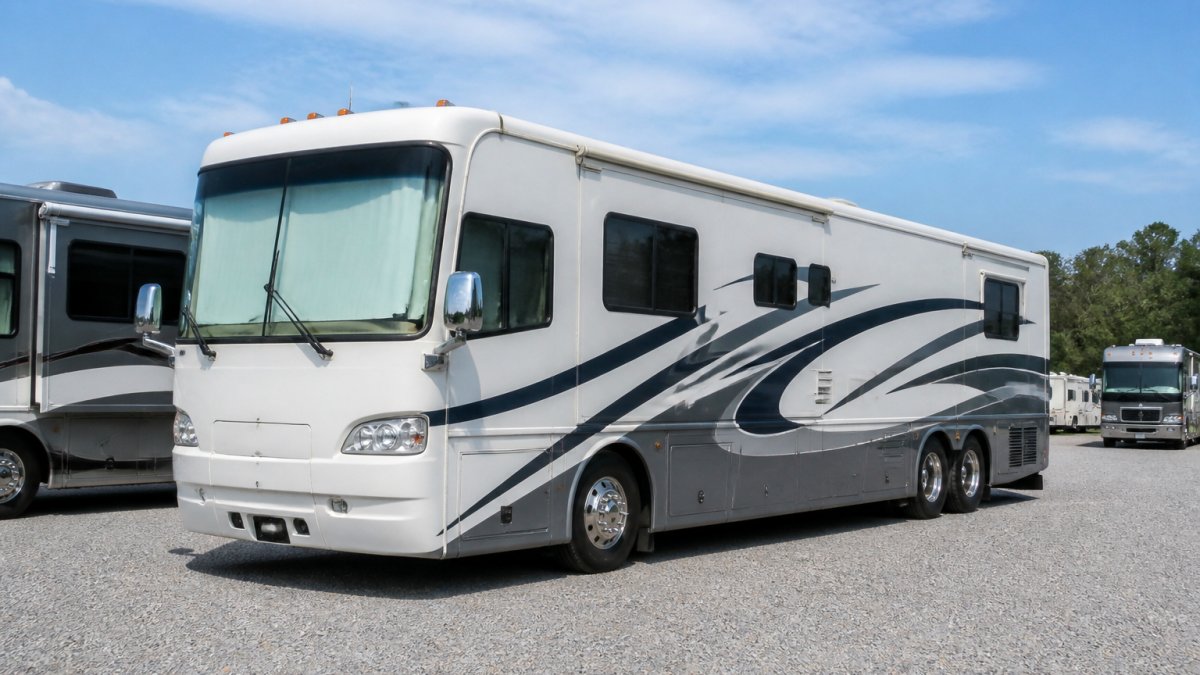
4. Long-Term RV Storage: Planning for Off-Season and Extended Parking
Long-term RV storage requires more preparation than short-term parking. Storing your large recreational vehicle for months demands system protection, deterioration prevention, and readiness maintenance.
Long-term storage demands climate control or covered protection. Extended exposure causes seal failure, battery discharge, fuel system gum deposits, and moisture-driven mold and mildew, problems that compound and become expensive to repair.
For extended storage, use covered or indoor space. Out of Site Storage's long-term options provide 24/7 access to check your vehicle, run the engine, and address issues early.
Before long-term storage: drain fresh water and winterize plumbing in cold climates, add fuel stabilizer, disconnect the battery or use a trickle charger, inflate tires to proper pressure and check monthly, and store level to prevent fluid migration.
Visit your stored RV every 4-6 weeks: run the engine, move the vehicle slightly to shift tire contact, and inspect for water intrusion or pest damage.
Understanding RV Storage Cost and Facility Security
Choosing a storage option requires weighing cost against protection and access needs based on your RV's value, climate, and storage duration.
RV Storage Cost Factors for Large Vehicles
Storage pricing varies based on facility type, location, and vehicle size. Larger RVs typically command higher rates because they occupy more space and require wider driveways and higher clearance.
Indoor RV storage costs more than covered storage, which costs more than outdoor storage. The exact difference depends on local market conditions and facility amenities. Some facilities charge monthly rates; others offer annual discounts for longer commitments. Additional fees may apply for services like battery charging, tire pressure monitoring, or winterization assistance.
When comparing facilities, ask about all-inclusive pricing. Some advertise low base rates but add administrative fees, gate access fees, or insurance requirements that increase your total cost. Contact Out of Site Storage for a quote tailored to your vehicle's specific dimensions and your storage duration.
Large RVs over 32 feet may face surcharges at some facilities due to space constraints or driveway width limitations. Confirm that the facility can accommodate your RV's exact length, width, and height before committing.
RV Storage Facility Security: What to Look For
Security protects your investment and gives you peace of mind. Evaluate these factors when selecting a storage facility:
Access Control: Does the facility use gated entry, keypad codes, or key card systems? 24/7 access is critical if you need to retrieve your RV outside business hours. Some facilities restrict access to daytime only, which limits flexibility.
Surveillance: Look for facilities with security cameras covering parking areas, entry gates, and office spaces. Cameras act as both a deterrent and a record if issues arise.
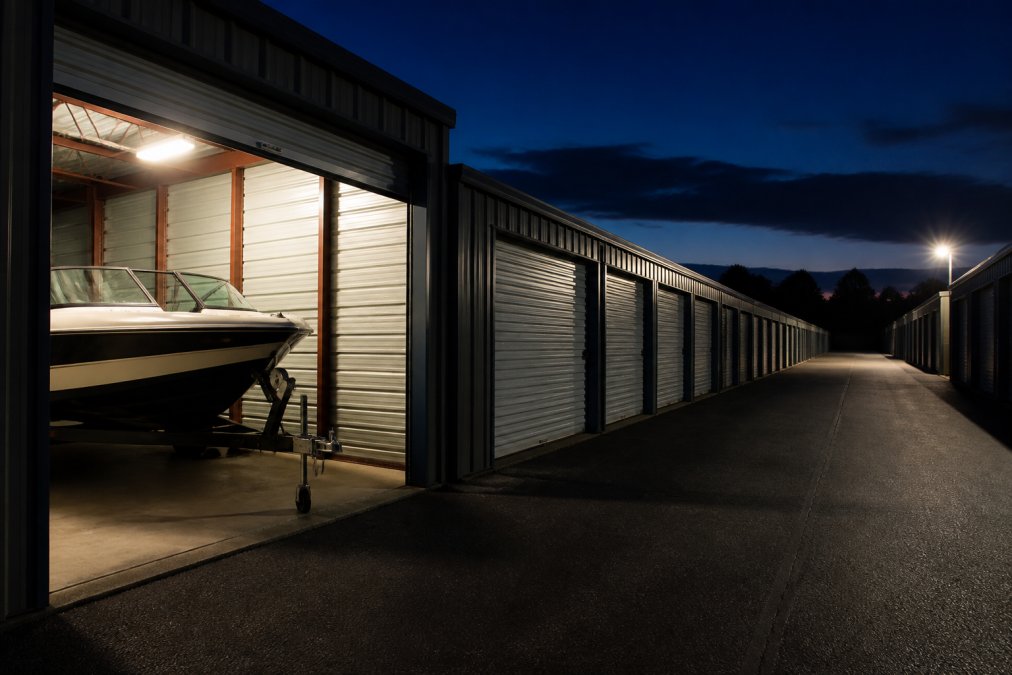
Lighting: Well-lit facilities deter theft and vandalism. Drive through the lot at night to assess lighting coverage in all areas, including corners and edges.
Fencing and Barriers: Perimeter fencing prevents unauthorized entry. Some facilities use concrete barriers or bollards to control vehicle movement and prevent ram-raids.
Staff Presence: Facilities with on-site management or regular patrols offer better oversight than unstaffed lots. Ask about staffing hours and response protocols.
Insurance and Liability: Confirm the facility carries liability insurance and clarify what coverage applies to your stored RV. Ask whether your homeowner's or RV insurance covers theft, vandalism, or weather damage at the facility.
Out of Site Storage maintains secure facilities with controlled access, surveillance, and professional management. Our 24/7 access doesn't compromise security, entry requires valid credentials, and all activity is logged and monitored.
How to Choose the Right Storage Option for Your Large RV
Selecting the right large RV storage option depends on three primary factors: your vehicle's dimensions, your local climate, and how often you need to access your RV.
Size and Clearance Requirements
Measure your RV's exact length, width, and height before booking storage. Large recreational vehicles often exceed standard clearance assumptions. A 32-foot Class A motorhome requires different space than a 28-foot travel trailer; a fifth wheel with slide-outs needs extra width when extended.
Confirm the facility can accommodate your vehicle without modifications or restrictions. Ask about driveway width, many facilities have 12-foot-wide lanes, which works for most RVs but may be tight for wider models. Turning radius matters too. Some facilities have sharp corners or narrow passages that large RVs cannot navigate safely.
Height clearance is critical for motorhomes and RVs with roof-mounted air conditioning units or antennas. Indoor facilities often have 14-16 foot ceilings, but verify this before committing. Covered facilities may have lower clearance in some sections.
Out of Site Storage's multiple locations accommodate large recreational vehicles with verified clearance and driveway width. Our team can confirm your RV fits before you sign a contract.
Climate and Weather Considerations
Your local climate should drive your storage choice. In humid or wet regions, outdoor storage accelerates corrosion and mold growth. Covered storage reduces weather exposure but doesn't fully protect against moisture. Indoor storage with climate control is the best choice for long-term storage in challenging climates.
In arid, sunny regions, UV protection becomes the priority. Covered storage blocks direct sun and significantly slows paint fading. Indoor storage provides maximum UV protection but may be unnecessary if outdoor storage is available in a dry climate.
Seasonal considerations matter too. If you store your RV during winter months in cold climates, freezing temperatures can damage plumbing and tanks unless the vehicle is properly winterized. Covered or indoor storage reduces this risk. Spring and fall storage in mild climates is less demanding, outdoor storage may suffice if your RV is well-maintained.
Access Frequency and Usage Patterns
How often you need to access your RV determines which facility type works best. If you retrieve your RV weekly or monthly during the storage period, you need convenient, flexible access. 24/7 access is ideal for unpredictable schedules.
If you store your RV for an entire season with minimal access, checking it once monthly, a facility with business-hours access may be sufficient and cost less. However, if an emergency requires accessing your RV at 2 AM, limited-access facilities won't work.
Out of Site Storage's 24/7 access accommodates both frequent and occasional access patterns. Our online payment and reservation system makes managing your storage simple, whether you need your RV tomorrow or in three months.
Preparing Your Large RV for Storage
Proper preparation before storage extends your RV's lifespan and prevents costly damage. Follow these steps:
Drain and Winterize: Empty fresh water tanks and lines to prevent freeze damage. Add RV antifreeze to the plumbing system if storing in a cold climate. Drain the gray and black water tanks completely.
Fuel System: Fill the fuel tank to reduce condensation inside the tank. Add fuel stabilizer to prevent gum deposits and varnish buildup.
Battery: Disconnect the battery to prevent parasitic drain, or use a solar trickle charger to maintain charge. A dead battery can fail to hold charge if left discharged for months.
Tires: Inflate tires to the manufacturer's recommended pressure. Check pressure monthly during storage, underinflated tires flat-spot under the RV's weight.
Exterior: Wash and wax your RV before storage. Apply protective treatments to rubber seals, slide-outs, and awnings.
Interior: Open cabinet doors and drawers slightly to allow air circulation. Place moisture-absorbing materials (desiccant packets, baking soda) inside cabinets and the refrigerator.
Systems: Run the engine for 15 minutes to circulate oil and charge the battery. Engage the generator briefly if equipped. Ensure all systems are functioning before storage begins.
Documentation: Keep records of your RV's condition before storage, photos, mileage, battery voltage. This documentation helps if you need to file insurance claims for damage discovered later.
Storing a large RV requires choosing the right facility and preparing your vehicle properly. Our 24/7 access, multiple locations, and flexible online payment options make managing your storage simple. Learn more about RV storage best practices to ensure your vehicle stays protected.
Frequently Asked Questions
What size clearance do I need to store a large RV?
Large recreational vehicles typically need indoor storage bays that accommodate length (often 32-45 feet), height (12-14 feet minimum), and width (8-10 feet). Turning clearance is critical: plan for at least 2-3 feet of space on each side and behind the RV to maneuver safely. Before booking, confirm your RV's exact dimensions with the storage facility and verify they have handled vehicles your size.
How much does long-term RV storage cost?
Long-term RV storage costs vary by type and location. Pricing depends on quantity, dates, and delivery. Contact Out of Site Storage for current pricing and quotes tailored to your vehicle and storage duration.
Is indoor RV storage worth the cost compared to covered or outdoor storage?
Indoor RV storage offers maximum protection from weather and UV damage, making it ideal for long-term storage or high-value vehicles. Covered storage provides a middle ground with weather protection at lower cost. Outdoor storage is most affordable but exposes your RV to sun, rain, and temperature swings. Choose based on your climate, storage duration, and how often you need to access your vehicle.
What security features should I look for in an RV storage facility?
Prioritize facilities with 24/7 access, gated entrances, surveillance cameras, and on-site management. Ask about lighting in parking areas and insurance coverage. Verify that the facility maintains clean, well-maintained grounds and has a clear security protocol. Confirm the facility's liability and insurance policies protect your stored vehicle.